November 13, 2026
A home's roof does more than protect the property from rain, wind, and other weather conditions because it also influences indoor comfort and energy consumption. Roofing materials, insulation, ventilation, and color can all affect how much heat enters a home and how hard the heating and cooling systems must work. When these components function together effectively, homeowners may experience more consistent indoor temperatures and reduced energy waste throughout the year. Working with a local roofing contractor can help property owners identify roofing improvements that support their home's energy efficiency. Older roofs, deteriorating materials, and inadequate ventilation can contribute to unwanted heat transfer and make temperature control more difficult. Selecting appropriate materials and maintaining the existing roofing system can help address these challenges.
Choosing Roofing Materials That Reflect Heat
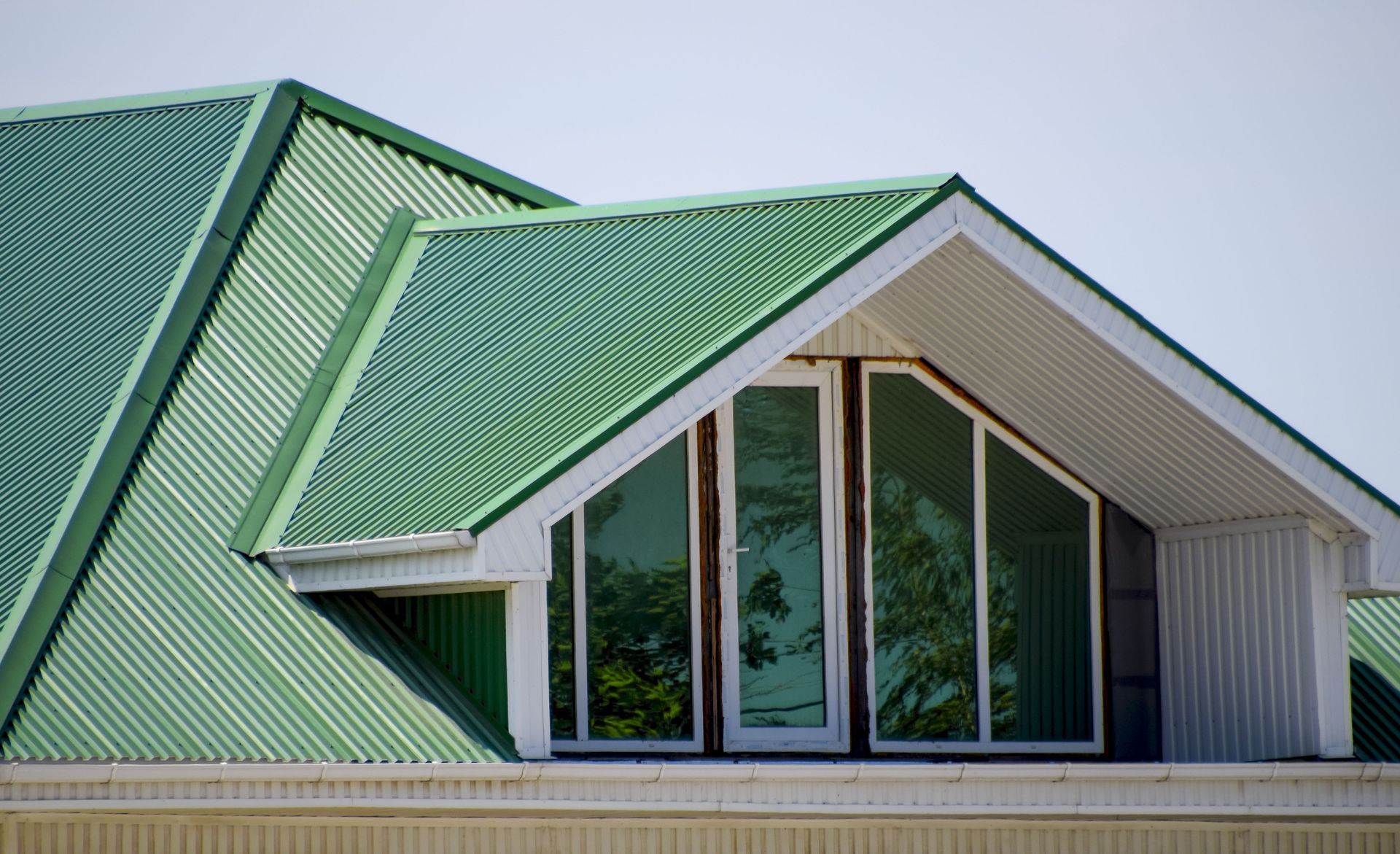
Roofing materials influence how much sunlight a home absorbs throughout the day, particularly during warmer months when solar exposure is intense. Traditional dark shingles can absorb substantial solar radiation, potentially increasing the amount of heat transferred into the attic and living spaces. Reflective roofing materials are designed to redirect more sunlight away from the building rather than retaining as much heat. According to ThisOldHouse.com, cool roofs that reflect sunlight and absorb less heat can reduce indoor temperatures by almost six degrees in buildings without air conditioning. This temperature difference illustrates how roof selection can affect indoor conditions when mechanical cooling is unavailable. A knowledgeable local roofing contractor can explain which reflective materials are suitable for the home's climate, roof structure, and architectural style. Homeowners should also consider durability, maintenance requirements, installation costs, and expected performance before selecting a new roofing system. Choosing materials that balance these factors can support energy efficiency while maintaining reliable weather protection.
Improving Attic Insulation and Thermal Protection
Insulation creates a barrier that slows heat transfer between the attic and the living areas below. When insulation is insufficient, outdoor heat can move into the home during summer, while indoor warmth can escape through the roof during colder weather. These temperature changes may cause heating and cooling equipment to operate more frequently to maintain comfortable conditions. A local roofing contractor can inspect accessible roofing components and help identify concerns that may warrant further evaluation of attic insulation. The appropriate insulation level depends on factors such as climate, existing construction, and the home's energy efficiency needs. Homeowners should also check for gaps around attic openings, ducts, and other areas where conditioned air may escape. Addressing insulation deficiencies alongside necessary roofing improvements can help reduce unwanted heat transfer throughout the year. A coordinated approach makes it easier to understand how the roof and the rest of the building envelope contribute to energy performance.
Maintaining Proper Roof Ventilation
Roof ventilation helps regulate temperatures and manage moisture within attic spaces. During hot weather, poorly ventilated attics can accumulate heat, potentially increasing the temperature of rooms directly beneath them. Appropriate intake and exhaust ventilation allow air to circulate through the attic when the roofing system is designed for that airflow pattern. A qualified local roofing contractor can assess existing vents and determine whether their placement and capacity are appropriate for the roof's configuration. Ventilation should be balanced with insulation and air sealing rather than treated as a standalone solution to high energy bills. Improperly installed vents can create additional problems, including moisture intrusion or unwanted airflow between the attic and living areas. Homeowners should also ensure that insulation does not block intended ventilation pathways. Maintaining the correct balance of ventilation, insulation, and air sealing can contribute to more stable indoor temperatures and better overall building performance.
Reducing Energy Waste Through Timely Roof Repairs
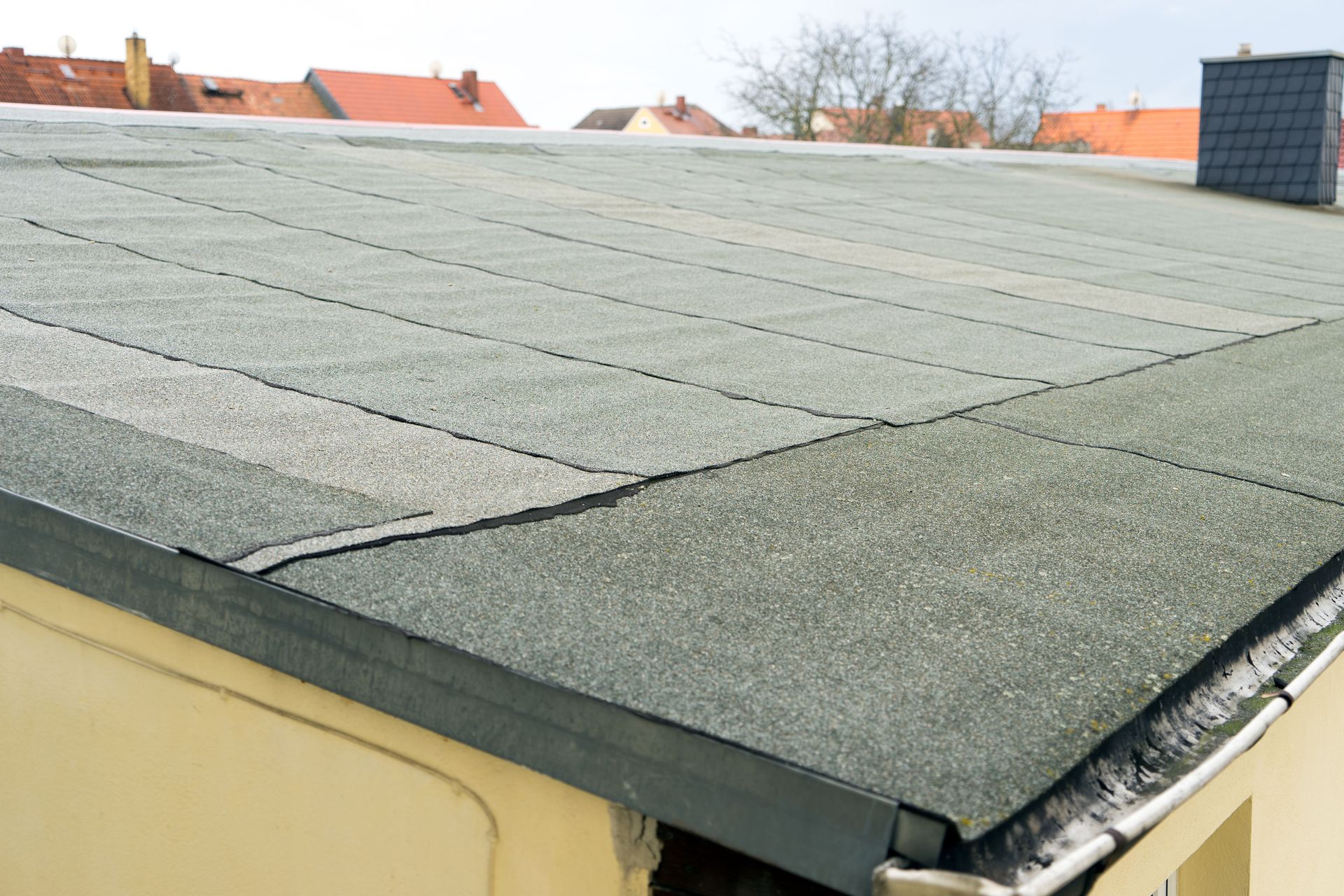
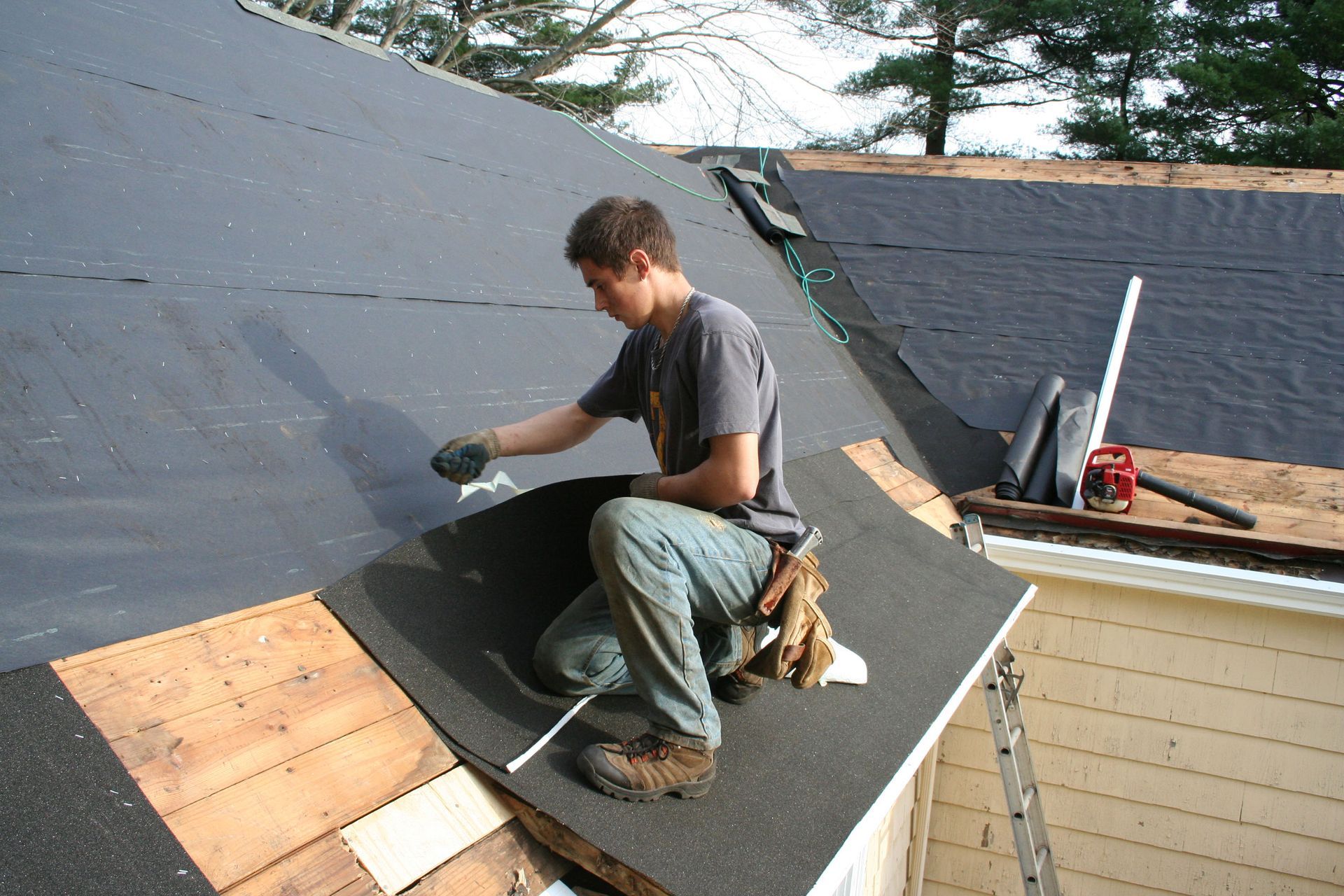
Damaged roofing materials can affect more than a home's appearance because openings and deteriorating components may compromise the building's protective barrier. Missing shingles, damaged flashing, and failing roof penetrations can allow moisture to enter, potentially affecting insulation and other materials. Wet insulation may lose effectiveness depending on its type and the extent of the moisture exposure. A local roofing contractor can identify these problems during an inspection and recommend repairs before they lead to more extensive deterioration. Although repairing a roof does not automatically lower energy bills, restoring damaged components can help preserve the performance of the existing roofing and insulation systems. Homeowners should also pay attention to signs such as water stains, loose shingles, or visible deterioration around vents and chimneys. Promptly addressing these issues can prevent avoidable damage and support the roof's ability to protect the home. Regular inspections are particularly useful after severe weather or when an older roof begins showing signs of wear.
Selecting Roof Colors for Climate Conditions
Roof color can influence how much solar energy the roofing surface absorbs. Dark-colored materials generally absorb more sunlight, while lighter-colored or specially reflective surfaces can reflect a greater proportion of solar radiation. This difference can be especially relevant in locations that experience long, hot summers and strong sunshine. A local roofing contractor can help homeowners compare available colors and finishes while considering local weather patterns and the property's architectural appearance. However, color alone does not determine energy performance because the material's reflective properties, insulation, ventilation, and roof design also matter. Some modern roofing products are engineered to reflect sunlight even when they appear darker than traditional cool-roof options. Homeowners should review product specifications rather than relying exclusively on visual appearance when comparing alternatives. Selecting a roof suited to the local climate can help balance energy considerations, curb appeal, and long-term durability.
Evaluating Roofing Upgrades and Long-Term Costs
Energy-conscious roofing improvements can involve different levels of investment depending on the condition of the existing roof and the homeowner's goals. Some properties may benefit from targeted repairs, while others may require replacement because of widespread deterioration or an aging roofing system. Reflective materials, improved insulation, and appropriate ventilation may offer different benefits depending on the building's design and climate. A trusted local roofing contractor can explain available options and help homeowners understand the work each solution requires. Comparing estimates should involve more than the initial price because material lifespan, maintenance needs, and installation quality can affect long-term value. Homeowners can also review utility bills before and after improvements to help evaluate changes in household energy use, while accounting for weather and occupancy differences. It is important to recognize that energy savings vary by property and that no roofing upgrade guarantees a specific reduction in costs. Evaluating the home's overall condition helps homeowners prioritize improvements that make practical sense for their budget.
Maintaining Roofing Performance Throughout the Year
Consistent roof maintenance helps preserve the materials and components responsible for protecting a home from outdoor conditions. Homeowners should periodically check for visible signs of damage and arrange professional inspections when concerns arise. Keeping gutters clear can help water drain properly and reduce the risk of moisture collecting near roof edges. A local roofing contractor can also assess flashing, roof penetrations, ventilation components, and other vulnerable areas during scheduled maintenance. Seasonal inspections may be especially helpful after storms, when wind and debris can damage roofing materials. Homeowners should avoid climbing onto steep or damaged roofs and leave hazardous inspections to qualified professionals. Maintaining the roofing system can help identify developing problems before they affect insulation, interior finishes, or structural components. Combining routine maintenance with thoughtful material selection can help support long-term roof performance and household comfort.
Improving Home Efficiency With Professional Roofing
A well-designed roofing system can contribute to energy efficiency by managing solar heat, supporting insulation, allowing appropriate ventilation, and protecting the building from moisture. Homeowners who understand these connections can make more informed decisions when planning repairs or considering a replacement. The most suitable solution depends on the roof's current condition, the local climate, and the home's existing insulation and ventilation systems. Professional guidance can help identify practical improvements without overlooking important structural or weatherproofing requirements. United Roofing Corporation can help homeowners evaluate roofing needs and explore options that support dependable protection and energy-conscious home improvements. Contact us to discuss your roofing project and learn how the right roofing solutions can help support your home's comfort, durability, and long-term performance.