October 16, 2026
Roofing systems are built to shield buildings from harsh weather, but high winds present a unique physical challenge. As strong gusts sweep across a roof, they create a difference in air pressure. The air moving rapidly over the top of the roof drops in pressure, while the trapped air inside the structure maintains higher pressure. This pressure differential generates a powerful upward suction force known as wind lift.
When wind lift strikes a residential or commercial roof, the outer edges and corners experience the highest concentration of force. If the perimeter seal or underlying adhesives are compromised, the wind catches the underside of the roofing material. This lifting action works like a lever, peeling back shingles or membrane layers bit by bit. Even moderate storms can generate enough upward suction to strain the structural fasteners and adhesive bonds that hold the system together.
Without a continuous, unyielding bond along every shingle edge, wind forces gradually break down the structural integrity of the roof. What begins as a minor air gap along an edge can quickly develop into a major point of vulnerability during the next severe weather event.
Identifying the Symptoms of Unseen Sealant Failures
One of the most dangerous aspects of wind lift is that the resulting damage often remains invisible from the ground. Traditional roof inspections might miss early sealant failure because the shingles appear to lay flat once the wind subsides. However, beneath the surface, the crucial self-sealing adhesive strips may have failed completely.
Over time, thermal expansion, age, and constant micro-movements break the bond between overlapping shingle courses. Once this sealant bond snaps, wind-borne dirt and debris coat the sticky adhesive strip, preventing it from ever re-sealing naturally. Every subsequent gust of wind lifts the loose shingle again, creasing the underlying fiberglass mat and weakening the mechanical fasteners holding the shingle to the wooden deck.
Homeowners and building managers should look for subtle indicators of hidden wind lift damage, including minor granule loss concentrated along the lower edges of shingle courses, pliable shingle tabs that do not resist light upward pressure, fine horizontal lines across the face of asphalt shingles, loose flashing around chimneys, or dislodged debris in the gutter system. Spotting these subtle warning signs early allows for timely intervention before water penetrates the underlying roof deck. Scheduling a routine assessment with a certified team for local roof repair helps identify these compromised seals before heavy rain turns minor lifting into an active interior leak.
Recognizing How Unseen Sealant Breaks Lead to Structural Leakage
When sealant strips fail and wind lift pulls shingles upward, the primary defense against water intrusion is compromised. A roof is designed on a water-shedding principle, where each course overlaps the one below it to direct rainfall downward into the gutters. When wind lift breaks the bond between these courses, wind-driven rain can blow upward underneath the loose tabs.
Once water breaches the outer shingle layer, it reaches the underlayment. While underlayment offers secondary protection, it is perforated by hundreds of roofing nails during installation. Water trapped beneath lifted shingles pools around these nail penetrations, eventually working its way down into the wooden roof decking. Over time, this moisture causes the OSB or plywood sheathing to rot, swell, and delaminate.
Because water travels along rafters and joists before dripping through the ceiling, interior water stains often appear far away from the actual point of roof failure. By the time a wet spot shows up on your drywall, the structural timber inside the attic may have been damp for months. Partnering with a professional team for local roof repair ensures that hidden seal failures are sealed tight before internal wood rot takes hold.
Evaluating Repair Thresholds vs. Complete Replacement Needs
Deciding whether to patch specific damaged areas or invest in an entire system replacement can be challenging for property owners facing wind damage. Making an informed decision requires evaluating the total age of the structure, the extent of the sealant failure, and the overall cost of restoration.
According to HomeService, repair your roof if it is less than 15 years old, the damage is confined to a small area, such as a few missing shingles, a single leak, or isolated flashing failure, and the repair cost is less than 30% of a full replacement. Following these practical guidelines helps property owners avoid spending unnecessary capital on full replacements when targeted restoration is sufficient.
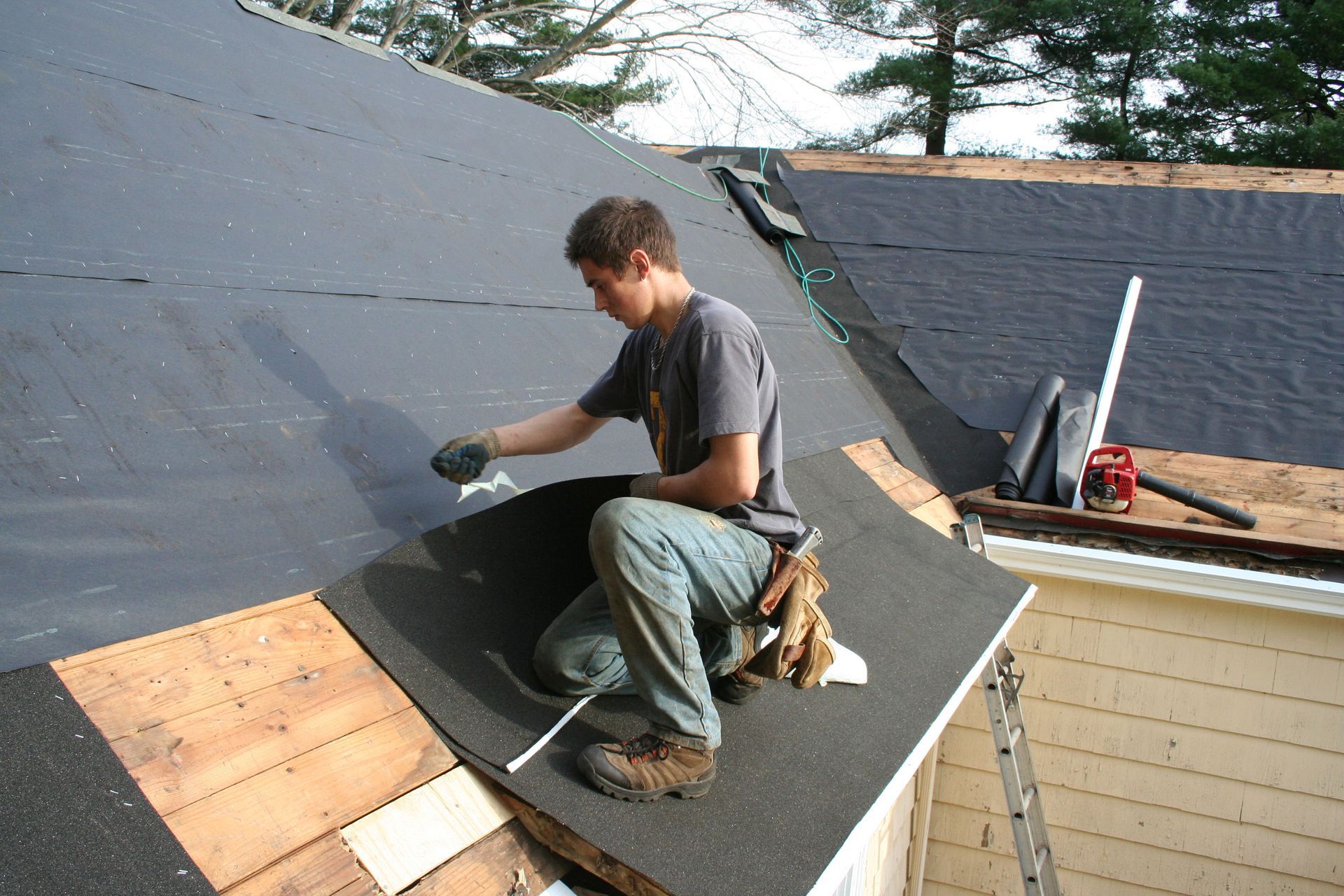
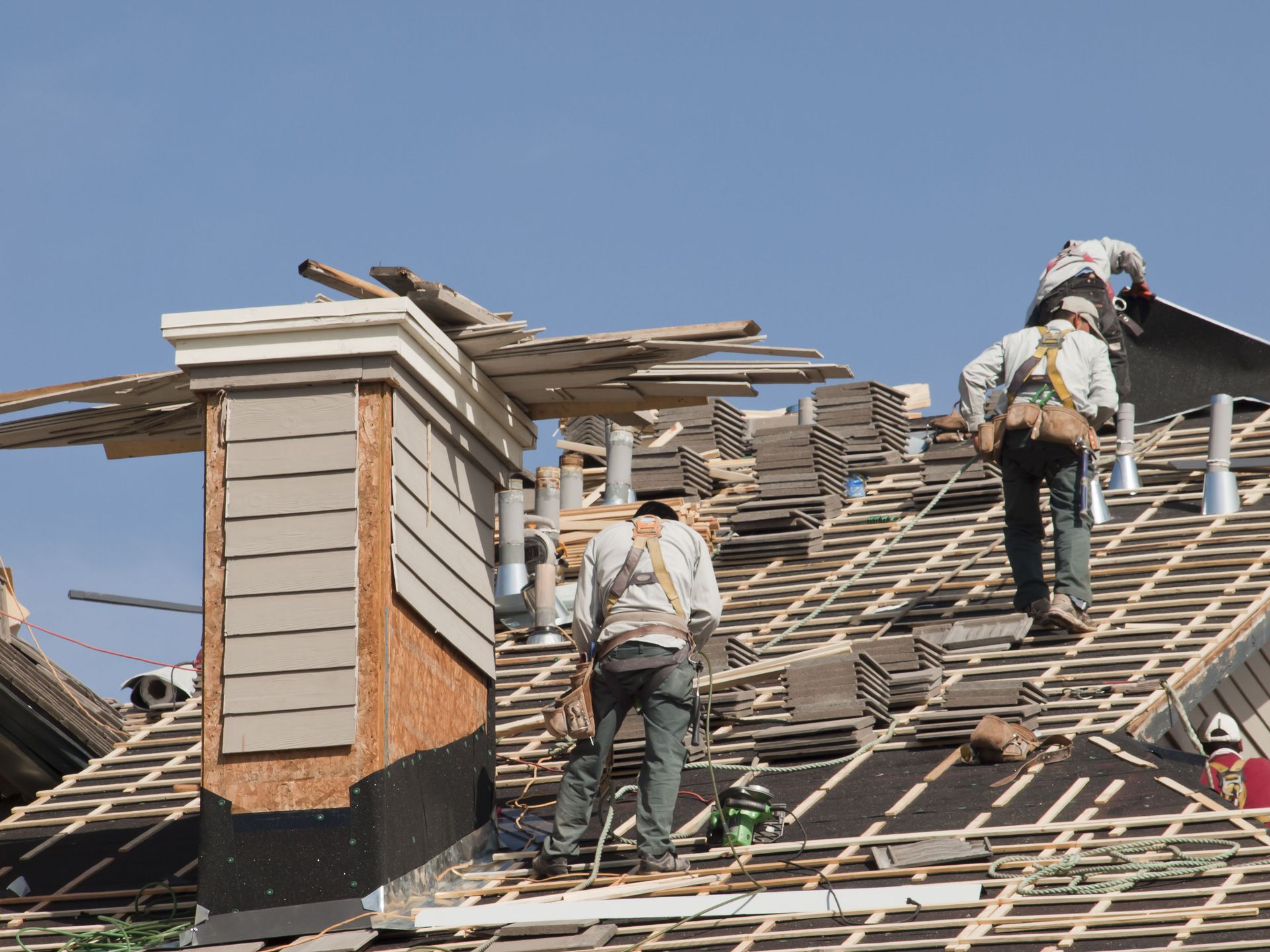
When dealing with isolated wind lift where only a small section of shingles has unsealed, localized repairs are highly effective. Skilled technicians can break down the damaged section, replace compromised underlayment, install fresh shingles, and apply specialized roofing cement to restore the wind rating. However, if the roofing system is nearing the end of its intended lifespan, widespread sealant failure usually signals that the entire roof requires replacement.
Comparing Professional Repair Approaches for Wind Lift Damage
Addressing wind lift requires specialized techniques and commercial-grade materials to ensure long-term stability. Simple DIY quick fixes, such as applying retail caulk along the edges, rarely survive the next major storm and can trap unwanted moisture against the roof deck. A certified technician performing local roof repair follows a systematic approach to restore the structural envelope.
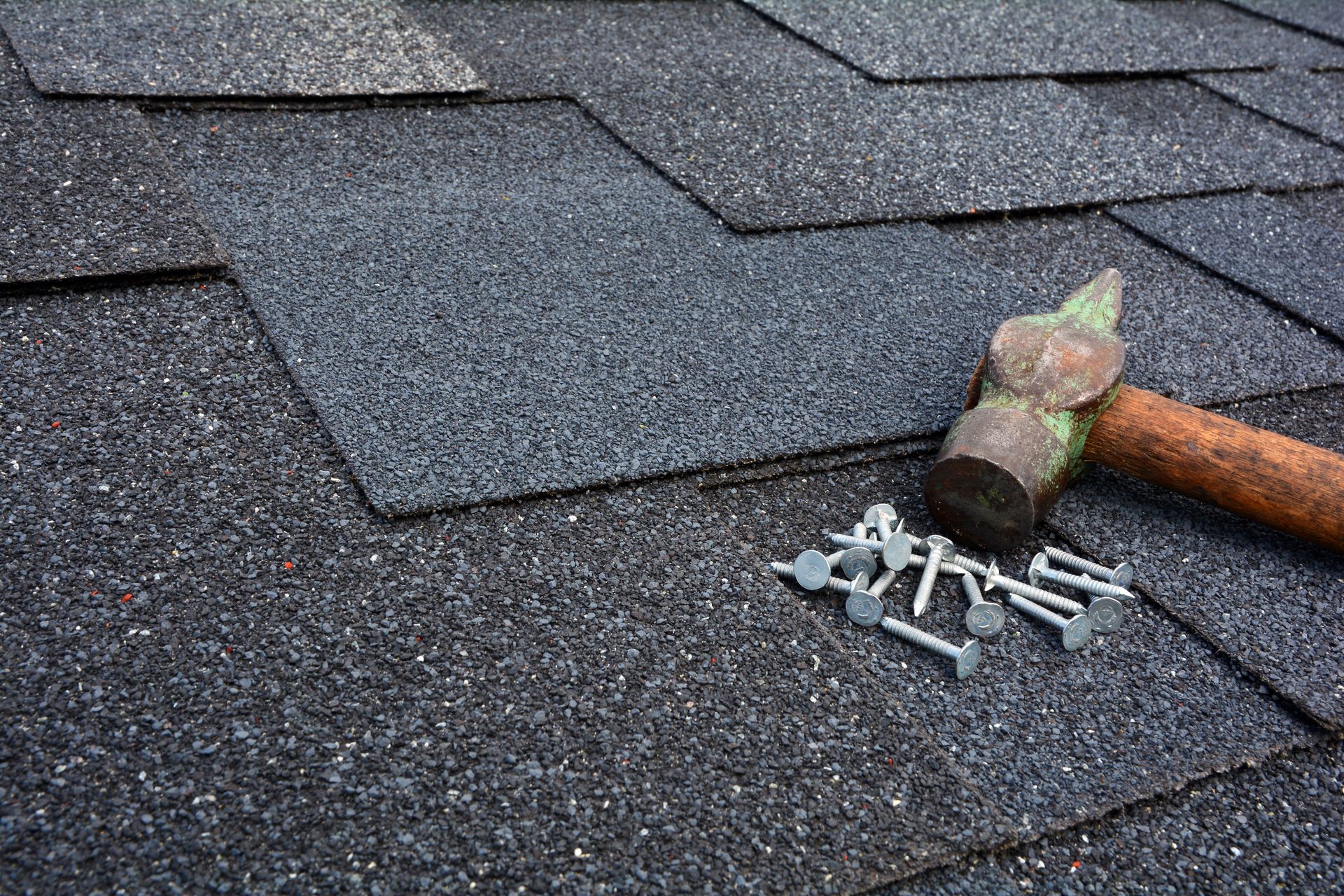
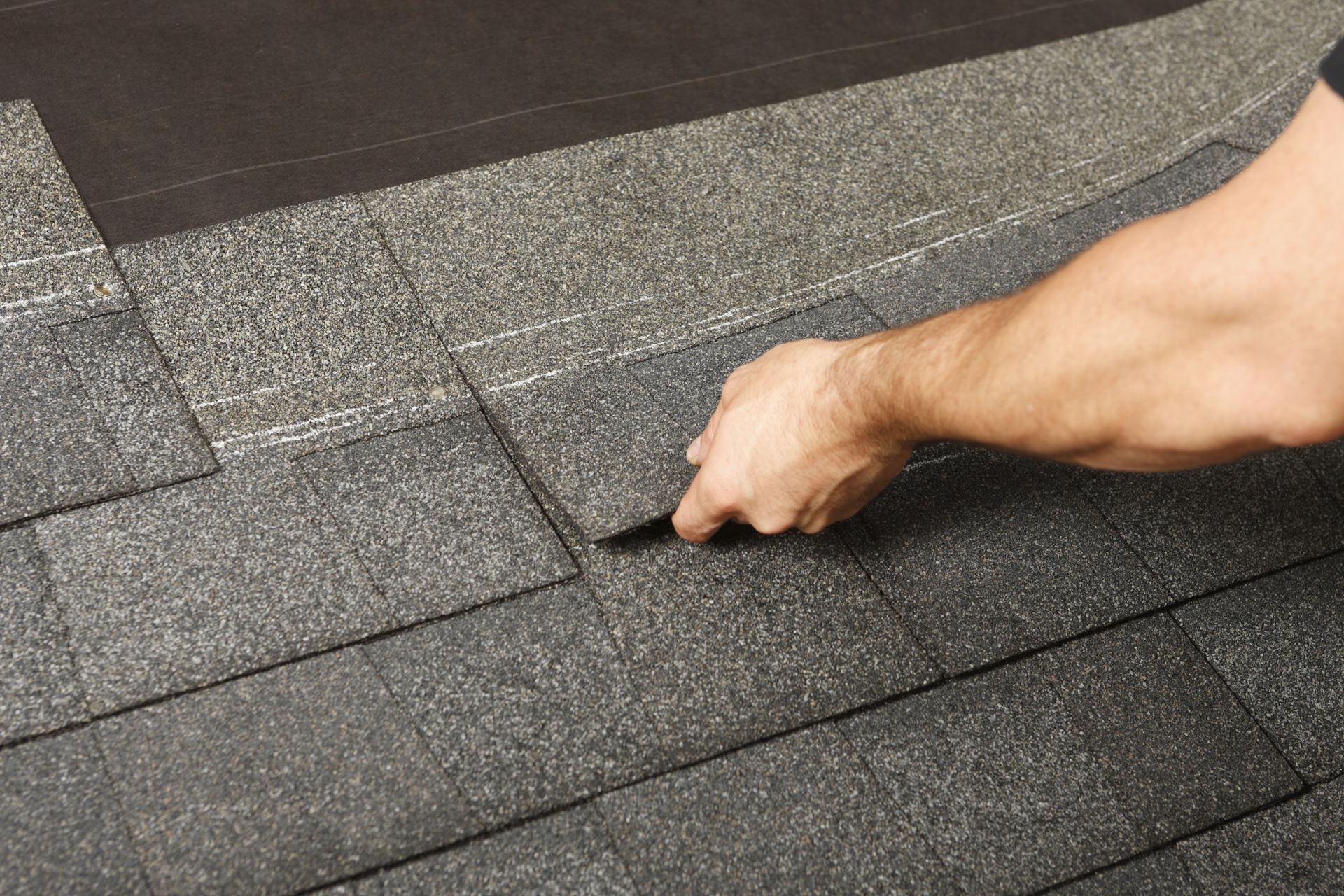
The repair process begins with a comprehensive manual inspection of every shingle course, gently lifting shingle tabs across the roof surface to locate unsealed sections, hidden creases, and loose fasteners that are invisible from ground level. Before applying fresh adhesives, the underside of the loose shingles and the underlying surface must be thoroughly cleaned of dirt, moss, and loose granules so the new sealant can form a solid structural bond, while any backed-out nails are replaced with fresh fasteners.
To restore the wind-resistant barrier, technicians apply professional-grade asphaltic plastic cement beneath the unsealed shingle tabs, pressing each tab firmly into place to eliminate air pockets and form an airtight, water-shedding barrier across the roof deck. Perimeter edges and flashing connections are reinforced with heavy-duty sealant and specialized mechanical clips to prevent future wind sheer from catching the edges. Calling an expert team for local roof repair ensures that all sealant applications comply with manufacturer guidelines, preserving your existing material warranties while fortifying your building against future windstorms.
Preventing Future Wind Lift Damage Through Proactive Care
While severe weather is unpredictable, proactive maintenance significantly reduces the risk of wind lift and adhesive failure. Ensuring your roofing system is properly installed and maintained creates a solid barrier against high winds.
Key preventive steps include scheduling bi-annual professional roof inspections every spring and autumn, trimming overhanging tree branches to prevent localized wind turbulence, ensuring proper attic ventilation to manage moisture levels, clearing gutters, and promptly arranging for local roof repair after any severe windstorm event.
When wind events strike, having a trusted partner for local roof repair ensures that minor uplift issues are resolved before they cause severe structural damage. Regular inspections, prompt maintenance, and professional sealant restoration keep your property safe, dry, and secure year after year.
Securing Your Roof with Local Industry Professionals
Protecting your property from the hidden dangers of wind lift requires dedicated craftsmanship, reliable materials, and fast response times. If you suspect your roof has suffered unseen wind damage, loose sealant bonds, or localized leaks, trust the experienced team at United Roofing Corporation to inspect and restore your property. Contact United Roofing Corporation today to schedule a comprehensive roof assessment and keep your building fully protected against the elements.