November 2, 2026
A home's siding does more than influence its appearance. It helps protect exterior walls from rain, wind, and changing temperatures while contributing to the building's overall character. However, even high-quality materials can perform poorly when installed incorrectly. Gaps, loose panels, and improperly sealed openings may allow moisture to reach vulnerable areas.
Choosing experienced siding contractors can make a meaningful difference in how well an exterior renovation performs over time. Whether homeowners are replacing damaged panels or updating an entire facade, understanding the importance of professional installation helps them make informed decisions about materials, workmanship, and long-term maintenance.
Choosing Materials for Long-Term Performance
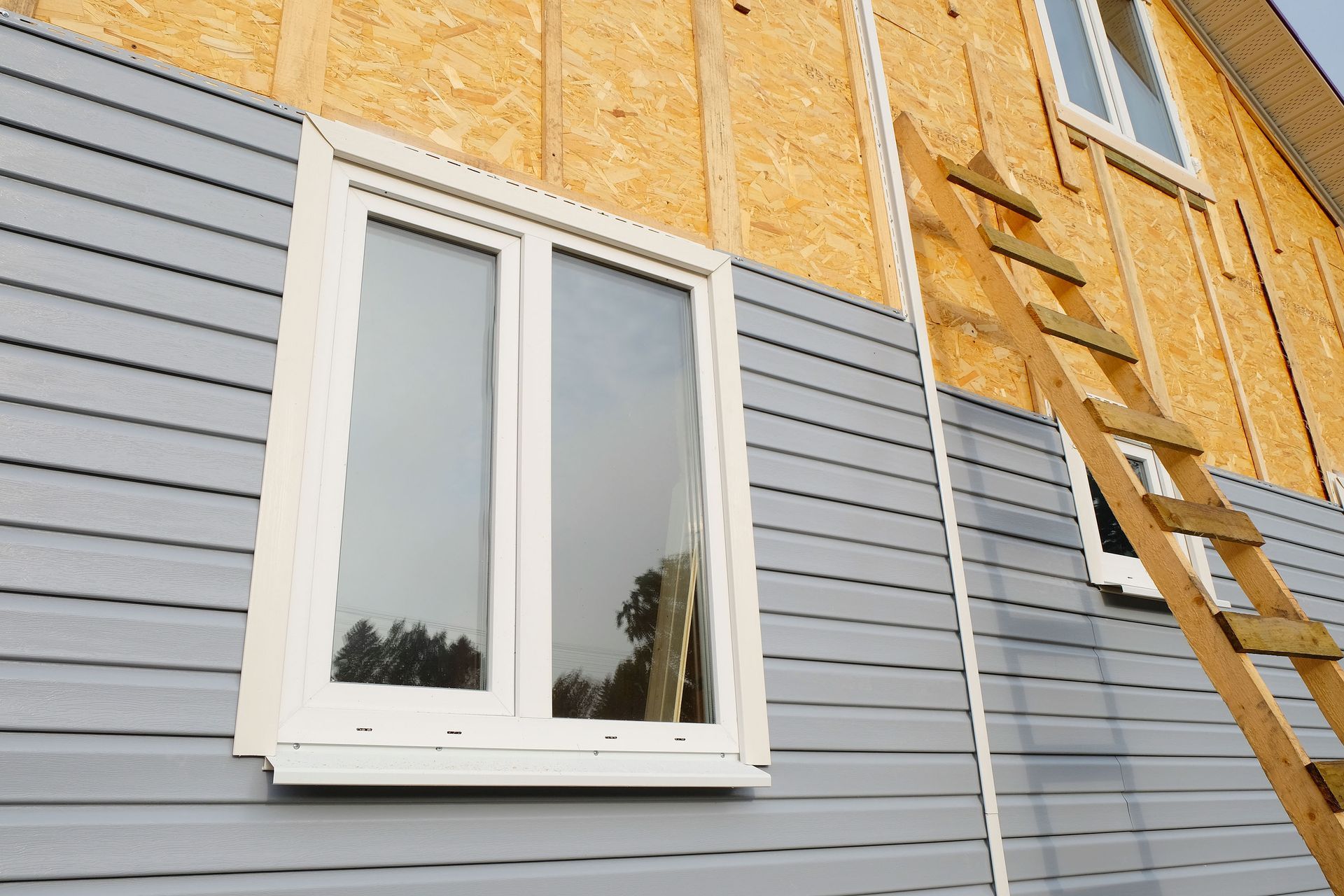
Siding materials differ in durability, maintenance requirements, appearance, and installation methods. Vinyl is widely used because it is available in numerous styles and generally requires limited upkeep. Fiber cement offers resistance to rot and insect damage, while wood provides a traditional appearance but requires more frequent maintenance. Metal siding can also be suitable for certain architectural styles and environmental conditions.
An experienced contractor evaluates these differences before recommending a product. The right selection depends on the home's design, regional weather patterns, and the owner's maintenance preferences.
Material compatibility is equally important. Siding must work alongside existing windows, roofing, and exterior trim. Choosing appropriate components helps create a coordinated exterior while supporting reliable performance and reducing maintenance concerns.
Evaluating Materials for Local Weather Conditions
Local climate plays an important role in siding selection. Homes exposed to frequent rainfall need exterior systems that manage moisture effectively, while properties in windy regions may require products with appropriate wind-resistance ratings and installation specifications.
Temperature changes also influence material performance. Vinyl expands and contracts as temperatures fluctuate, making proper fastening and spacing essential. Wood can absorb moisture and deteriorate without suitable protection, while metal products may require additional consideration in coastal environments.
Experienced siding contractors consider these conditions when selecting materials and planning installation details. Rather than recommending the same product for every property, they assess the surrounding environment and the building's existing construction.
This approach helps reduce premature deterioration and supports a longer-lasting exterior.
Measuring Surfaces for Accurate Installation
Accurate measurements are essential for efficient siding installation. Contractors must account for wall dimensions, windows, doors, rooflines, and other architectural features before ordering materials.
Incorrect measurements can lead to excessive waste, unexpected expenses, or installation delays. They may also create alignment problems that affect the finished appearance.
Experienced professionals calculate material requirements while accounting for necessary overlaps, cuts, and manufacturer specifications. They also evaluate whether existing wall surfaces require repairs or preparation before installation begins.
Careful planning helps ensure that siding, trim, and related components fit together properly. Addressing measurement concerns early also minimizes unnecessary modifications and allows contractors to establish realistic material quantities and project schedules.
Installing Panels With Proper Fastening Techniques
Siding must be attached according to the manufacturer's installation requirements. Fastener placement, spacing, and attachment methods vary depending on the material and underlying wall assembly.
For example, vinyl siding generally needs room to expand and contract. Fasteners driven too tightly can restrict movement, potentially causing panels to buckle or distort during temperature changes.
Fiber cement and metal products have different requirements concerning fastener type, spacing, and supporting surfaces. Following these specifications helps maintain the appearance and secure attachment of the exterior covering.
Professional siding contractors also inspect wall surfaces before attaching panels. Damaged sheathing, loose trim, or uneven framing may need correction to provide a suitable installation surface. Addressing these conditions early reduces the likelihood of problems appearing after the project is complete.
Protecting Exterior Walls From Moisture
Proper moisture management is among the most important elements of siding installation. Although exterior cladding sheds much of the rain that strikes a home, siding alone is not a completely waterproof barrier.
A correctly designed wall assembly uses components such as weather-resistant barriers, flashing, and properly detailed openings to manage water that passes behind the siding.
Particular attention is necessary around windows, doors, roof intersections, and penetrations for utilities. These locations can become vulnerable when flashing is missing, damaged, or incorrectly installed.
Simply applying additional caulk is not a substitute for properly designed drainage and flashing. Effective moisture management helps protect underlying materials from prolonged dampness and related deterioration. It also reduces the possibility of concealed water damage that could otherwise require extensive repairs.
Addressing Complex Architectural Features
Homes with multiple gables, dormers, decorative trim, or unusual wall angles require careful installation planning. These features often involve additional cuts, transitions, and flashing details that are unnecessary on straightforward exterior walls.
Skilled siding contractors evaluate how siding should terminate around architectural elements while maintaining consistent alignment and suitable weather protection.
For example, siding installed around a dormer must accommodate changes in roof elevation and transitions between materials. Incorrect detailing could allow water to collect where two surfaces meet.
Experienced professionals also consider the visual appearance of these connections. Properly aligned trim and consistent panel spacing contribute to a cohesive exterior without compromising the function of the wall assembly.
Following Building Codes and Safety Requirements
Exterior renovations may be subject to local permitting requirements, building codes, and inspection procedures. These requirements vary by jurisdiction and depend on the scope of the work.
Contractors should verify which regulations apply before construction begins. Projects involving structural repairs, changes to wall assemblies, or certain material replacements may require additional approvals.
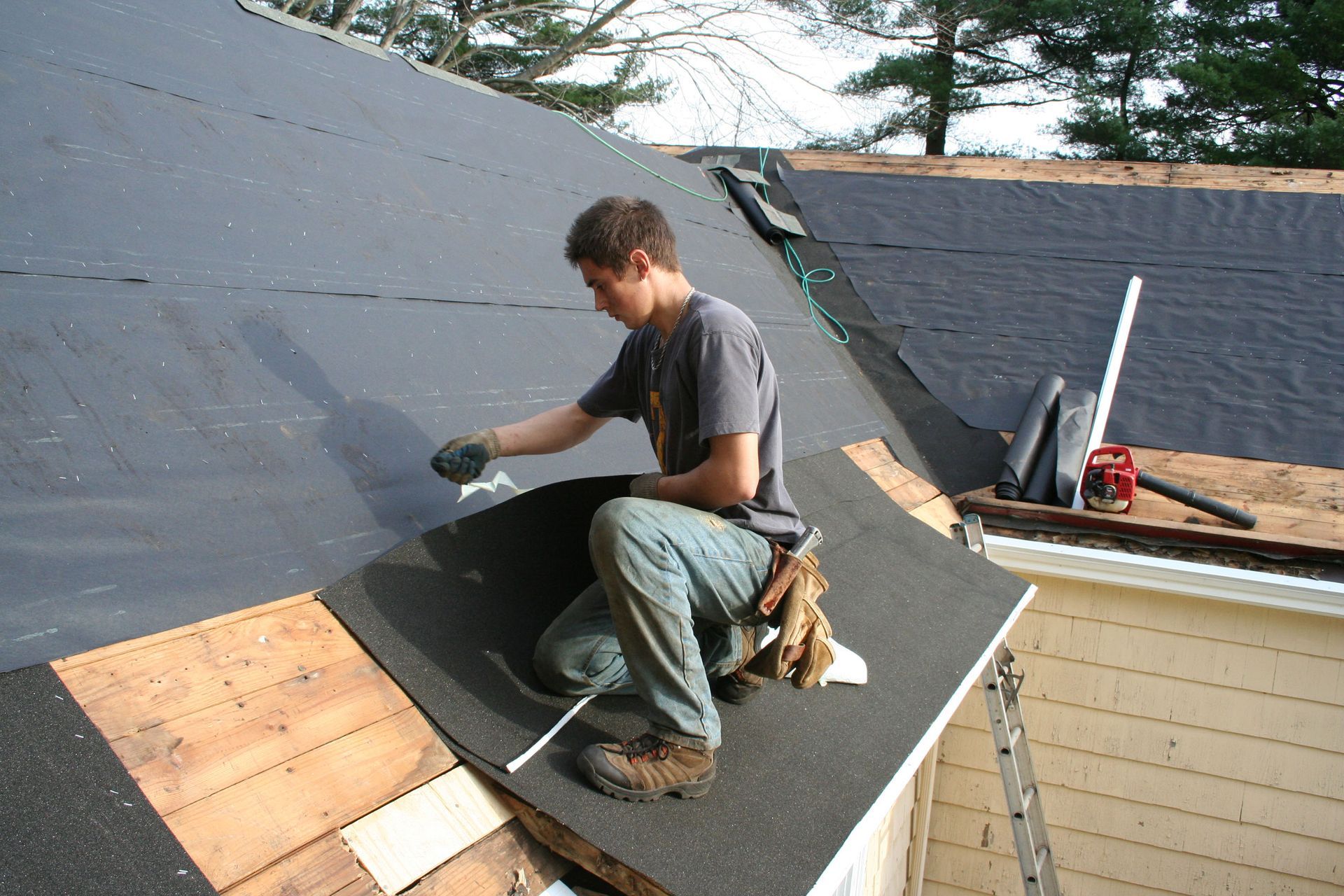
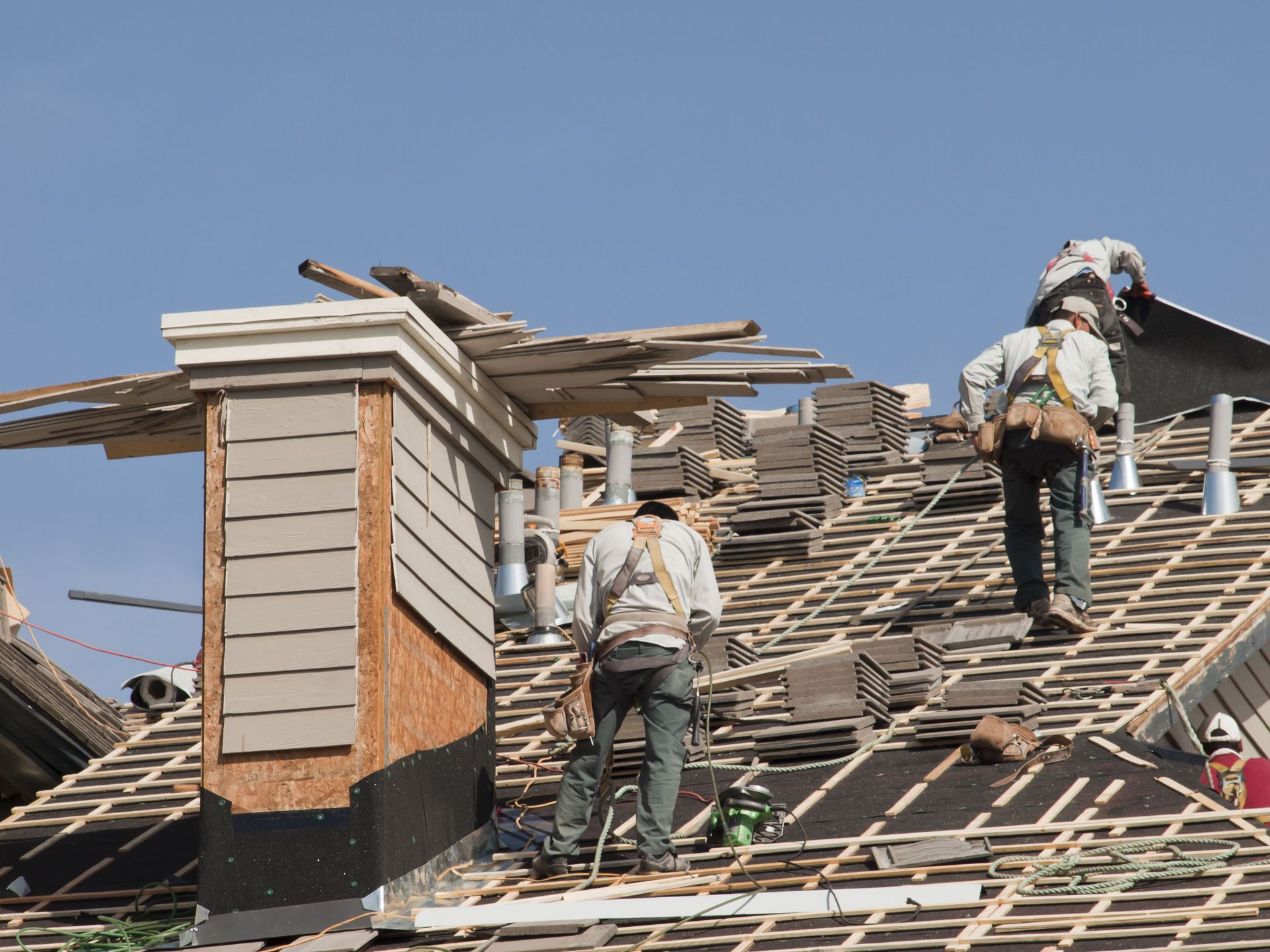
Worker safety is another important consideration. Siding installation frequently involves ladders, scaffolding, power tools, and elevated work areas. Appropriate fall protection and equipment use help reduce the risk of injuries.
Qualified professionals should also account for the safety of occupants and other trades working nearby. Clear work zones, organized material storage, and proper equipment handling help prevent unnecessary hazards while supporting efficient construction.
Maintaining Siding for Lasting Results
Even durable siding requires occasional care. Dirt, pollen, mildew, and environmental debris can accumulate on exterior surfaces, particularly in shaded or humid areas.
According to This Old House, vinyl siding is low-maintenance but benefits from annual or twice-annual cleaning with a soft brush and mild soap solution. This routine can help maintain its appearance without relying on aggressive cleaning methods.
Homeowners should follow manufacturer instructions because cleaning requirements differ among siding materials. Excessive pressure, harsh chemicals, or improper equipment can damage certain finishes or force water behind panels.
Regular visual inspections are equally useful. Loose sections, cracked trim, or visible moisture damage should be evaluated before conditions worsen. Proper maintenance supports professional installation and may help prevent avoidable repairs.
Reviewing Warranties and Completed Work
Before a siding project begins, homeowners should request clear information about product warranties and workmanship coverage. Manufacturer warranties commonly address specified material defects, while installation-related coverage depends on the contractor's agreement.
Review the length of coverage, exclusions, maintenance requirements, and procedures for submitting claims. Not every warranty covers damage caused by storms, improper maintenance, or unrelated construction defects.
Reputable siding contractors should also provide opportunities to review completed work and discuss concerns before the project is finalized.
A final walkthrough allows homeowners to examine panel alignment, trim connections, visible fasteners, and cleanup. Requesting documentation identifying installed products and recommended maintenance procedures makes it easier to understand future repair needs and warranty responsibilities.
Improving Exterior Quality Through Skilled Installation
Well-installed siding can improve a home's appearance, support weather protection, and reduce avoidable maintenance problems. These benefits depend on more than material selection. Accurate measurements, proper fastening, moisture management, and attention to architectural details all contribute to a successful project.
Homeowners should compare
siding contractors based on relevant experience, project documentation, communication, and demonstrated workmanship rather than price alone. Taking these steps supports informed decisions and realistic expectations.
For property owners considering exterior improvements, United Roofing Corporation can be contacted to discuss project needs and available services. Working with qualified professionals and following appropriate maintenance practices helps preserve the appearance and performance of a home's exterior for years to come.