November 7, 2026
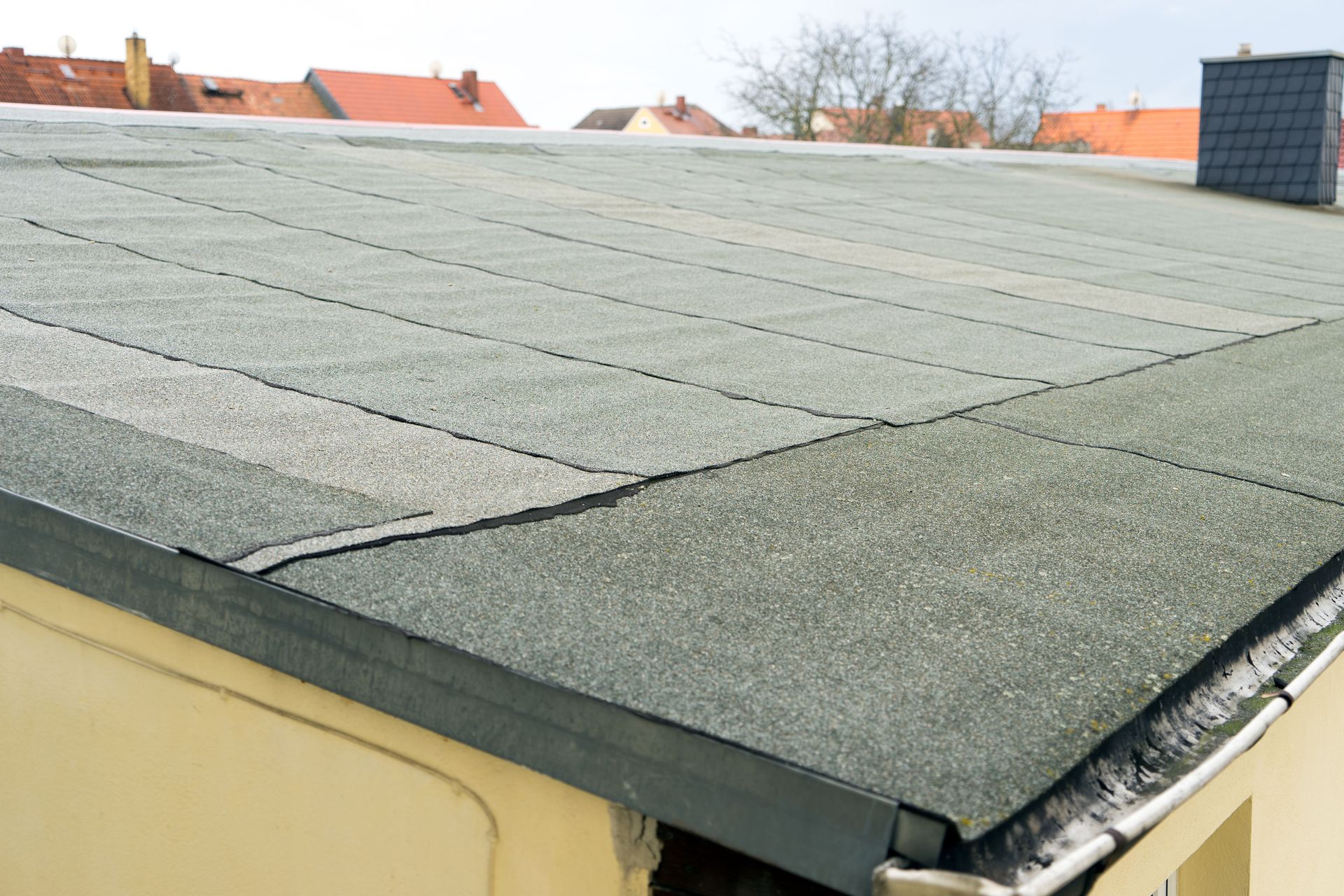
Flat roof systems are becoming increasingly popular in residential architecture due to their modern aesthetic and potential cost efficiency. However, like any roofing system, they come with their own set of advantages and drawbacks. Choosing the right structure for your property involves anticipating future maintenance, structural longevity, and the likelihood of needing full roof replacements over time. This article aims to explore the pros of flat roof systems for residential homes, helping homeowners make an informed decision. Ultimately, the choice of a flat roof system involves understanding these factors in context to individual preferences and local conditions.
Benefits of Flat Roof Systems
Cost Efficiency
Flat roofs generally require fewer materials and are easier to install, leading to lower initial costs compared to pitched roofs. The absence of complex architectural elements simplifies the construction process, which can significantly reduce labor costs. When looking at long-term maintenance, simpler designs can also lead to more cost-effective roof replacements when the system eventually reaches the end of its lifespan. Flat roofs also offer long-term savings by facilitating the installation of energy-efficient technologies. However, while initial costs may be lower, ongoing maintenance is crucial to avoid unexpected expenses later. Given the potential for pooling water, regular upkeep can prevent damage and prolong the roof's lifespan, maximizing its cost efficiency.
Aesthetic Appeal
Modern, clean lines give flat roofs a contemporary look that appeals to many homeowners. For those seeking a sleek, minimalist design, flat roofs can enhance the overall aesthetic of a home. The linear appearance blends well with modern architectural styles, offering a sophisticated, understated look. Moreover, flat roofs allow for creative use of outdoor space, further enhancing their aesthetic value. Coupled with innovative landscaping or elegant outdoor furniture, flat roofs can become stunning focal points for residences.
Space Utilization
Flat roofs provide additional space that can be utilized for rooftop gardens, solar panels, or outdoor living areas. The extra surface area offers an opportunity for homeowners to maximize their usable living space in urban environments. This characteristic is particularly attractive in cities where outdoor space is limited but highly sought after. Adding a rooftop garden can contribute to a better environment while improving air quality and offering a tranquil retreat. Furthermore, integrating solar panels on a flat roof can enhance energy efficiency and reduce electricity bills.
Easier Access
Maintenance such as cleaning gutters or repairing leaks are more straightforward on flat roofs due to easier and safer access. The level surface means homeowners and professionals can move around without the risk of steep pitches, reducing potential safety hazards. Regular inspections can be conducted with more ease, ensuring early detection of issues like pooling water or small leaks. According to the National Storm Damage Center, falling trees are the leading cause of roof damage, resulting in over $1 billion in property damage each year, highlighting the importance of regular roof access for damage assessments. Easier access also simplifies the process of installing or maintaining rooftop equipment, such as HVAC units or antennas.
Installation Process and Considerations
Site Preparation
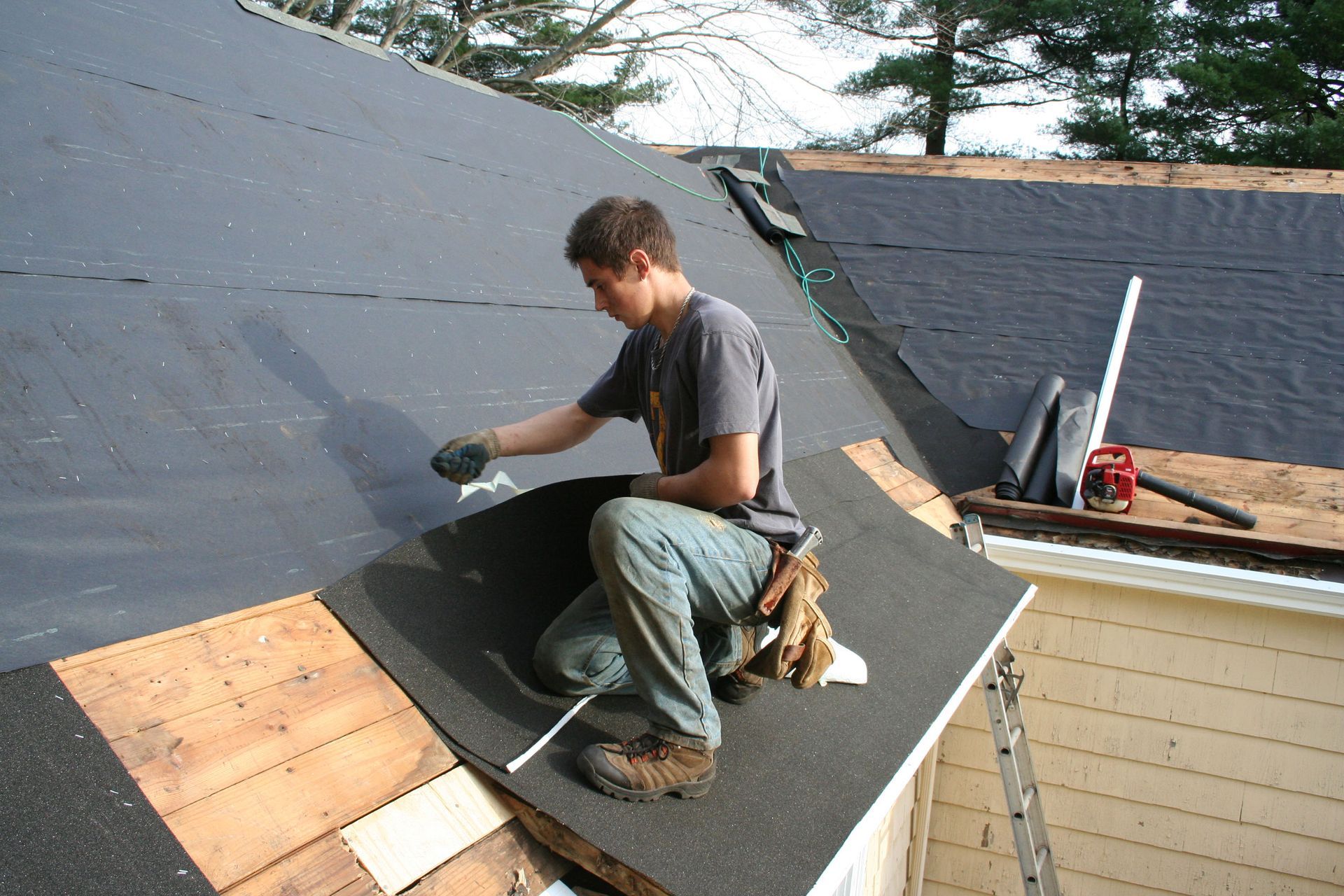
Site preparation, including structural assessments and debris removal, is crucial before installing a flat roof system. An evaluation of the building's ability to support a flat roof ensures suitability and safety, considering potential loads from snow or water accumulation. Clearing the site of debris prevents interference with the roofing material's integrity during installation. Consistently assessing weather conditions to time the installation process is essential to avoid complications from unexpected rain or temperature changes. Adequate preparation verifies the structure's efficacy in sustaining its new roof throughout varying environmental challenges.
Material Selection
Selecting the appropriate materials requires balancing climate, budget, and intended use considerations during the planning phase. Material choice directly impacts the roof's longevity, insulation properties, and overall performance, dictating future maintenance and replacement costs. Choosing durable membranes early on can help delay the necessity for early roof replacements caused by storm damage or premature degradation. A keen understanding of regional climates highlights considerations between thermal efficiency and material resilience against fluctuating weather. Homeowners should assess available roofing technologies while balancing initial investments against potential energy savings and durability returns. Such careful planning helps in constructing a roof system suitably adapted to the specific demands and uses of the residential building.
Insulation and Ventilation
Proper insulation and ventilation designs are critical to prevent moisture problems and enhance energy efficiency. Insulation not only stabilizes indoor temperatures across different seasons but also mitigates heat loss or gain through the roofing system. A well-ventilated flat roof allows for airflow, preventing heat build-up and condensation that might damage the structure. Collaborating with experts can render viable strategies and installations that account for individual building thermal management needs. Insufficient attention to ventilation may lead to premature degradation of roofing materials or structural issues from trapped moisture.
Weather and Timing
Recognizing the pivotal role of weather conditions during the flat roof installation can determine its success significantly. Ideally, installation should occur during seasons with mild and dry weather, minimizing interruptions and protecting material integrity. Cold or wet conditions pose risk factors that might compromise bonding or sealing processes central to a durable roof. Contractors must strategically plan projects to accommodate potential weather delays, fostering a resilient timeline for complete installation. Timing, linked to weather, is therefore integral in safeguarding the flat roof against preventable issues related to poor applications and unexpected environmental factors.
Maintenance and Longevity
Regular Inspection
Frequent inspections are vital for early detection of potential roofing issues, preventing costly repairs and extending roof longevity. Scheduled assessments help identify weaknesses, from minor tears to pooling water, enabling timely maintenance. Utilizing professional roof inspection services assures a thorough examination, highlighting unseen vulnerabilities due to poor installation or age. Homeowners should institute bi-annual checks and after major weather events to ensure roof resilience against environmental stressors. Consistent vigilance in maintaining the roofing system wards off unexpected damage and expenses, preserving the home’s structural integrity.
Leak Prevention and Repair
Proactive strategies for managing leaks involve diligent inspection, sealing techniques, and maintaining system integrity. Leaks often originate from poorly sealed edges or punctures, making regular upkeep essential in preserving waterproof features. According to the National Storm Damage Center, falling trees are the leading cause of roof damage, resulting in over $1 billion in property damage each year, emphasizing the need to address vulnerabilities swiftly. Immediate repairs using appropriate materials and methods ensure performance continuity and longevity. Developing a plan for addressing emergent leaks within a shorter timeframe minimizes interruption and damage.
Roof Drainage Issues
Patrolling and resolving water pooling issues often involves optimizing flat roof drainage systems and surfaces for flow efficiency. Water that lingers stretches and degrades materials, risking structural compromise and fostering mold growth. Enhancing roof pitch slightly, when feasible, or installing additional drainage elements can rectify stagnant water concerns. In many cases, proactive planning during design and construction stages forestalls future complications associated with pooling. While performing regular maintenance is crucial, incorporating advanced drainage technologies can provide a more long-standing solution to pooling issues.
Flat roof systems offer a unique combination of benefits that need to be carefully considered by homeowners. While they can offer cost savings, modern aesthetics, and additional usable space, they require diligent maintenance to prevent leaks and drainage issues. Understanding when minor repairs suffice versus when complete roof replacements are required will keep your structure safe and energy efficient. By evaluating material options, climate factors, and long-term upkeep, homeowners can confidently decide if a flat roof matches their budget and lifestyle goals. Give United Roofing Corporation a call today for more.