November 20, 2026
Choosing between repairing and replacing an asphalt roof depends on its age, condition, repair history, and long-term costs. While minor damage can often be addressed with targeted repairs, widespread deterioration may make a complete replacement the more practical investment. Understanding these differences helps homeowners protect their property, manage expenses, and maintain reliable roofing performance.
Understanding Asphalt Roofing
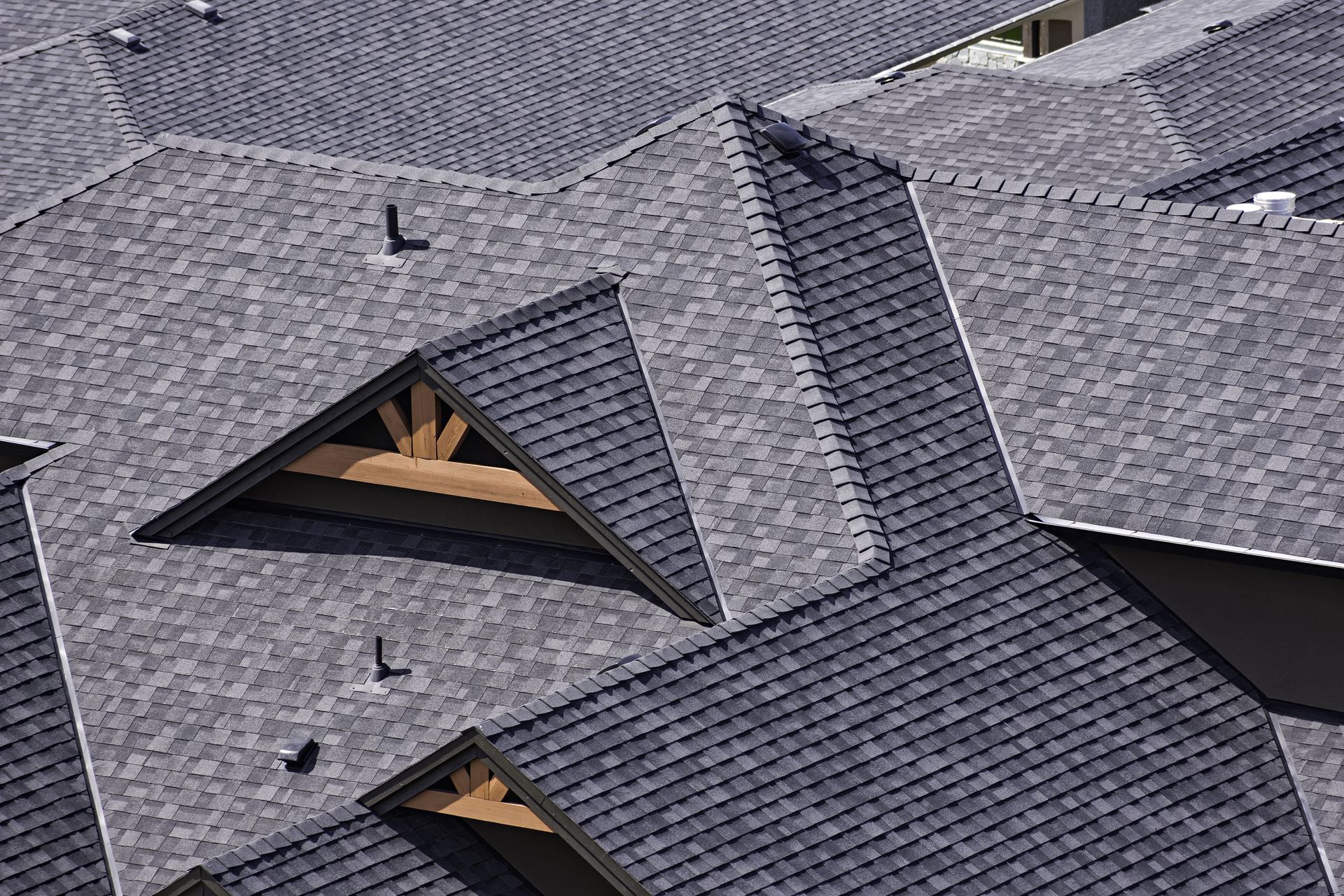
Asphalt shingles remain a popular residential roofing material because they are affordable, versatile, and available in various styles. According to the Asphalt Roofing Manufacturers Association, asphalt shingles represent 73% to 81% of the U.S. residential roofing market. Their widespread use reflects their ability to provide dependable protection for homes across different climates and architectural styles.
An asphalt shingle roof typically lasts 20 to 30 years, depending on material quality, installation, ventilation, and exposure to severe weather. Over time, sunlight, wind, hail, and moisture can cause shingles to crack, curl, or lose protective granules. Understanding these common signs of aging helps homeowners determine when repairs are sufficient and when roof replacement may be necessary.
Knowing When Your Roof Needs Repair
Roof leaks are among the most noticeable signs of roofing damage. Water stains on ceilings, peeling paint, damp insulation, and musty odors can indicate that moisture is entering the home. Prompt professional inspections help identify the source of leaks and prevent damage from spreading to insulation, framing, and interior finishes.
Missing, cracked, or curling shingles can also indicate that repairs are needed. These problems may expose the underlying roofing materials to moisture and wind, increasing the likelihood of further deterioration. When damage is limited to a small area and the surrounding shingles remain in good condition, targeted repairs may restore the roof's protective function without requiring a complete replacement.
Granule loss is another important indicator of asphalt shingle deterioration. These granules protect shingles from ultraviolet radiation and contribute to their overall durability. Although some granule loss is normal as a roof ages, widespread accumulation in gutters may indicate that the shingles are nearing the end of their useful life.
Sagging areas require particularly careful evaluation because they can indicate structural damage, prolonged moisture exposure, or weakened roof decking. These conditions may extend beyond the shingles themselves and compromise the stability of the roofing system. A qualified roofing contractor can assess the underlying structure and determine the appropriate scope of work.
Evaluating When Roof Replacement Makes Sense
Roof age is an important factor when evaluating whether repairs remain worthwhile. If an asphalt roof is approaching the end of its expected lifespan, recurring problems may become more common and expensive to address. In these circumstances, roof replacement can provide more reliable protection and reduce the likelihood of continued repair expenses.
The extent of the damage also influences the decision. Isolated problems may be manageable, but widespread cracking, extensive granule loss, and repeated leaks can indicate that the entire roofing system is deteriorating. Replacing an extensively damaged roof can address multiple problem areas at once rather than relying on temporary solutions.
Repeated repair costs should also be considered. When several repairs are needed within a short period, the combined expense may approach the cost of installing a new roofing system. Comparing estimates with a roofing professional helps homeowners understand whether continued repairs offer reasonable value or whether roof replacement is the more economical long-term choice.
A new roof can also provide an opportunity to improve ventilation, insulation, and overall energy performance. Depending on the materials and system selected, these upgrades may help regulate indoor temperatures and reduce heating and cooling demands. Homeowners planning to remain in their properties for many years may find that the long-term benefits justify the initial investment.
Comparing Repair and Replacement Costs
Roof repair costs vary according to the type of damage, materials required, labor, and accessibility of the affected area. Replacing a few shingles generally costs less than addressing extensive leaks or damaged roof decking. However, the affordability of an individual repair should be evaluated alongside the roof's overall condition and the likelihood of additional problems.
Roof replacement typically involves a larger upfront investment because the project may include removing old shingles, inspecting the decking, installing new underlayment, and fitting replacement materials. Labor, disposal, ventilation improvements, and permit requirements can also affect the final estimate. Obtaining a detailed written proposal helps homeowners understand what the project includes and compare contractors accurately.
Long-term expenses are equally important when evaluating roofing options. An older roof that requires frequent repairs may cost more to maintain over time than a newer system with fewer immediate maintenance needs. Although roof replacement requires a greater initial investment, it may reduce unexpected expenses and provide more predictable roofing performance.
Homeowners should also review available warranties and insurance coverage before making a decision. Manufacturer warranties may cover certain material defects, while workmanship warranties address specific installation-related concerns. Insurance coverage depends on the policy, the cause of damage, and other applicable conditions, so homeowners should confirm their coverage before committing to major work.
Increasing Energy Efficiency
Roofing materials and installation quality can influence indoor comfort and energy consumption. Reflective shingles may help reduce heat absorption in certain climates, while proper ventilation and insulation support more consistent indoor temperatures. During roof replacement, contractors can identify opportunities to improve the overall performance of the roofing system.
Environmental considerations may also influence material selection. Asphalt shingles can sometimes be recycled into materials used for road construction, reducing the amount of roofing waste sent to landfills. Homeowners interested in sustainable practices can ask contractors about available recycling programs and responsible disposal options.
The environmental impact of a roofing project depends on material production, transportation, installation, and disposal. Replacing a roof before it is necessary can create avoidable waste, while delaying replacement of a severely deteriorated roof may contribute to moisture damage and additional material use. A professional assessment helps homeowners balance durability, energy performance, and environmental considerations when choosing the right solution.
Choosing the Right Roofing Solution
Evaluating the roof's current condition is the first step toward making an informed decision. A professional inspection can identify damaged shingles, failing flashing, moisture intrusion, and potential structural concerns. The findings provide a clearer understanding of whether localized repairs can restore performance or a complete replacement is warranted.
Homeowners should also consider their budgets, plans for the property, and expectations for long-term durability. Someone preparing to remain in a home for decades may prioritize a new roofing system with suitable warranties, while someone planning to move soon may need to weigh immediate costs against the property's condition and marketability. These considerations help establish priorities before selecting a contractor or approving a project.
Comparing detailed estimates from qualified roofing professionals can further clarify the available options. Estimates should outline the proposed work, material specifications, labor charges, disposal arrangements, and applicable warranties. Reviewing these details makes it easier to compare the value of repairs with the long-term benefits of roof replacement.
Protecting Your Home With Professional Services
Deciding between repairs and a new roof requires careful consideration of your property's needs, the extent of existing damage, and your long-term plans. Addressing roofing problems promptly can help prevent moisture intrusion, protect structural components, and preserve your home's value. A professional evaluation provides the information needed to choose an appropriate solution without investing in unnecessary work. United Roofing Corporation can help homeowners assess their roofing concerns and determine the best path forward. Contact United Roofing Corporation to discuss your roof's condition, explore available repair and replacement options, and receive professional guidance tailored to your home.