July 27, 2026
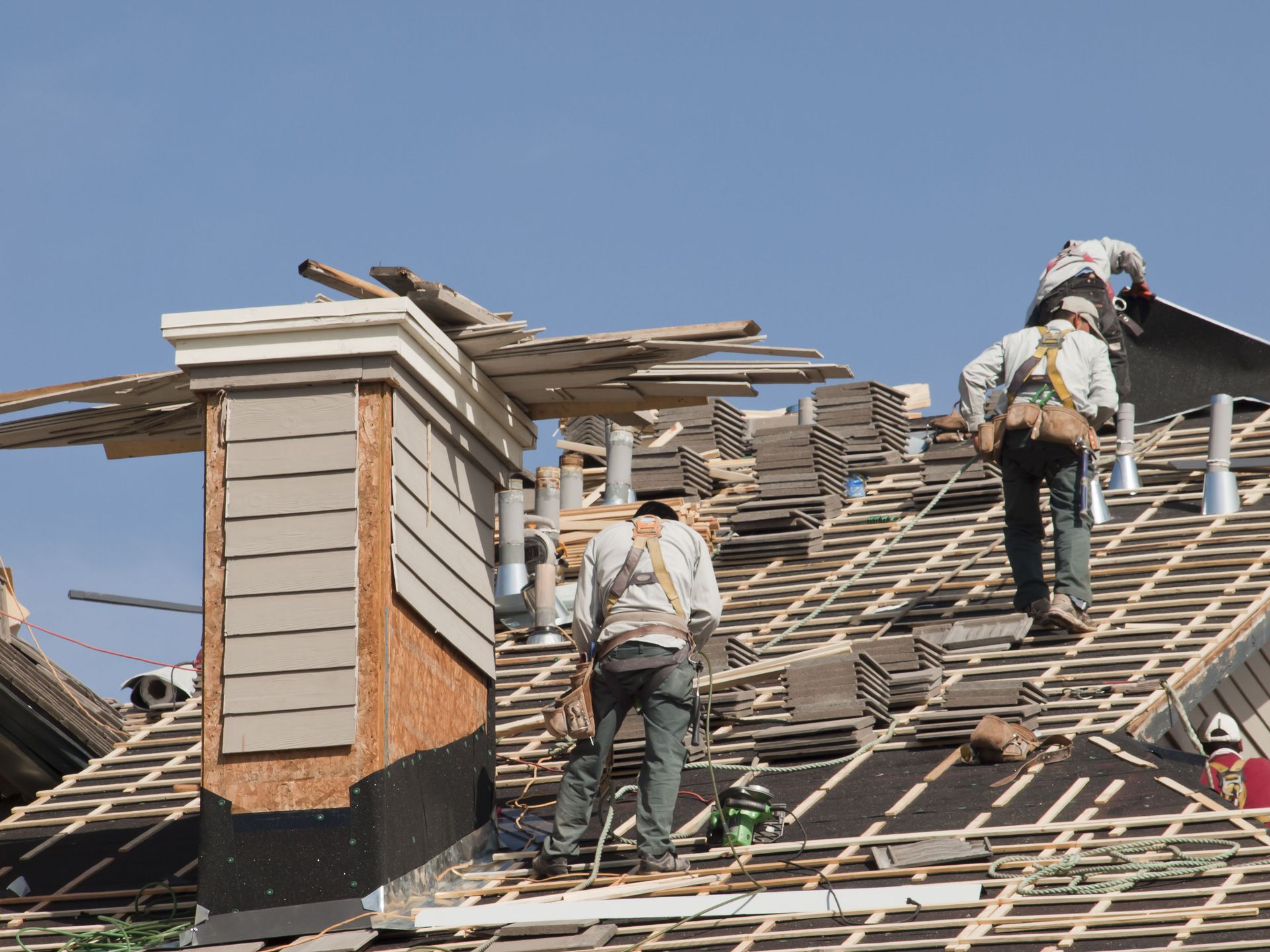
A roof rarely fails without warning. It weakens gradually, exposed year after year to sun, wind, rain, and temperature swings, until a storm or a routine inspection finally reveals the damage that has been building underneath. For homeowners across Southeast Virginia and Northeast North Carolina, understanding how weather and age work together to shorten a roof's lifespan is the first step toward making informed decisions about roof replacements. This region's humid summers, coastal storms, and freeze-thaw winters create a unique set of stressors that few other parts of the country experience in combination. Knowing what drives roof replacements—and when to call in a professional—can save homeowners from costly emergency repairs and unnecessary structural damage down the line.
How Severe Weather Accelerates the Need for Roof Replacements
Weather is one of the most significant factors behind premature roof replacements. High winds can lift shingles at the edges, creating gaps that allow water to seep beneath the roofing membrane. Heavy rain, a frequent visitor in this coastal region, exploits even small vulnerabilities, leading to leaks that compromise decking and insulation. Hail, though less common than in the Midwest, still causes bruising and granule loss that weakens shingles over time. Each weather event chips away at a roof's protective barrier, and the cumulative effect often means roof replacements happen sooner than the manufacturer's expected timeline would suggest.
Humidity plays an underappreciated role as well. Southeast Virginia and Northeast North Carolina experience long stretches of warm, moist air that can trap moisture against roofing materials, encouraging mold, algae, and wood rot. Over time, this slow degradation softens the roof deck and undermines the integrity of shingles, ultimately pushing homeowners toward roof replacements they may not have anticipated for another decade.
How Roofing Materials Age and Deteriorate Over Time
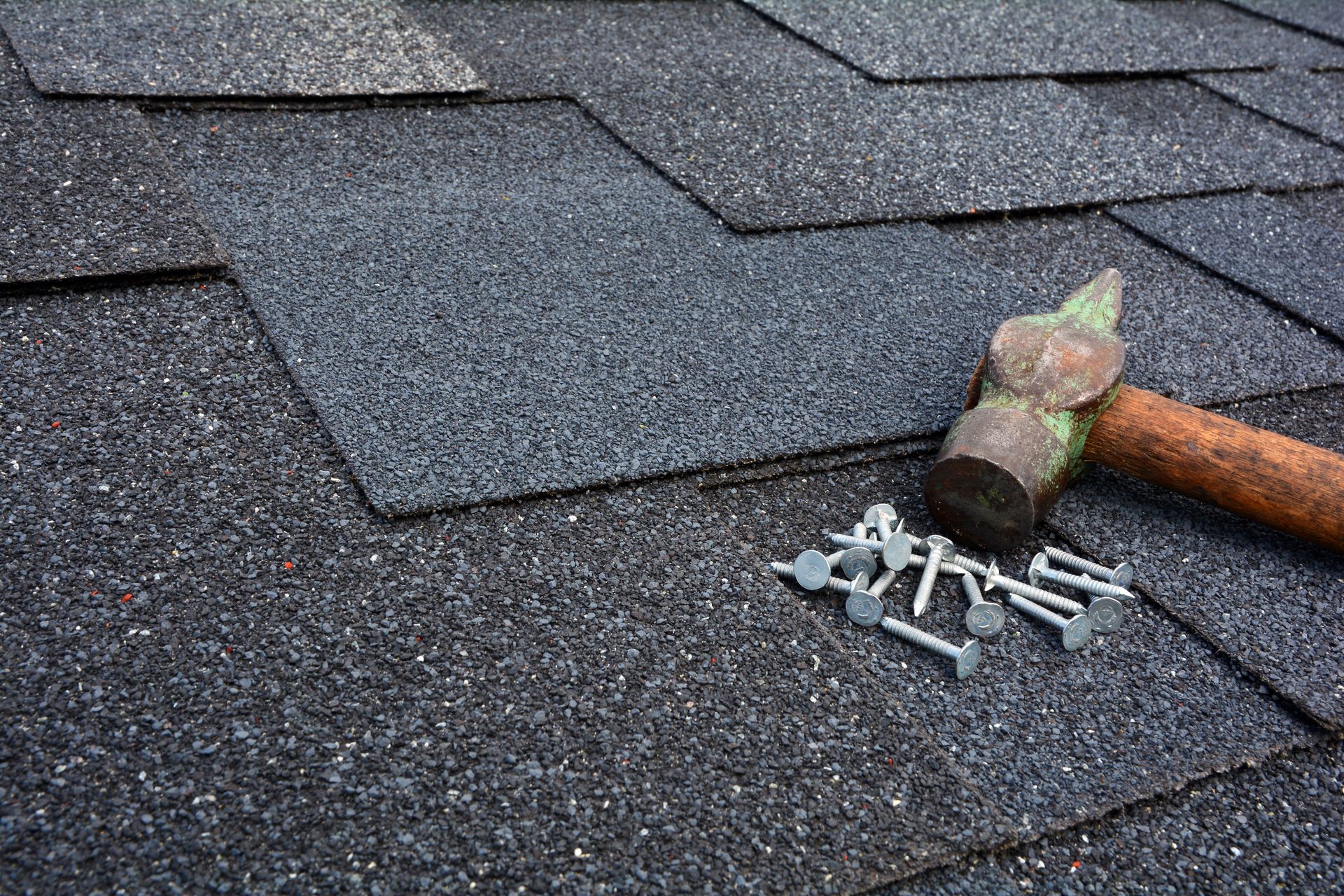
Every roofing material has a natural lifespan, but age-related wear doesn't always follow a predictable schedule. Asphalt shingles, the most common choice in this region, typically last between 20 and 25 years under normal conditions, in our experience. However, constant exposure to UV radiation causes the asphalt to dry out and become brittle, making shingles more prone to cracking and curling as they approach the end of their functional life. Once this brittleness sets in, even moderate weather events can cause damage that would have been negligible on a newer roof.
Metal and tile roofing systems tend to last longer, but they are not immune to the aging process. Fasteners loosen, sealants break down, and expansion joints shift as materials repeatedly contract and expand with temperature changes. These small mechanical failures accumulate, and eventually the roof reaches a point where patchwork repairs no longer make financial sense. Homeowners often reach the threshold for roof replacements not because of a single catastrophic event, but because dozens of minor issues have compounded into a system that can no longer perform reliably.
How Regional Climate Shapes Roofing Decisions
The climate of Southeast Virginia and Northeast North Carolina presents a distinct combination of challenges that homeowners in drier or more temperate regions rarely face. Hurricane season brings the risk of high winds and torrential rain, while the area's humid subtropical climate means roofs are almost never allowed to fully dry out between rain events. This persistent moisture exposure accelerates the breakdown of underlayment and decking, even when the visible shingles appear intact.
Winters in the region, while milder than northern states, still bring occasional freezes that cause trapped moisture to expand and contract within roofing materials. This freeze-thaw cycle, though less severe here than in colder climates, still contributes to gradual structural fatigue. When combined with the area's heavy annual rainfall and hurricane exposure, it becomes clear why roof replacements are such a common necessity for homeowners throughout this coastal corridor. A roofing system built for a drier, more temperate climate simply won't hold up the same way here, which is why regionally appropriate materials and installation techniques matter so much.
How Storm Damage Often Leads to Emergency Roof Replacements
Storm damage is one of the most immediate and dramatic triggers for roof replacements, and the data backs this up. According to RubyHome, roughly 33% of roofs are replaced each year due to storm damage, underscoring just how often severe weather—rather than simple age—forces homeowners into replacement decisions. A single powerful storm can strip shingles, puncture the roof deck, or dislodge flashing in a matter of minutes, turning what was a stable roof into an urgent liability.
These emergency situations often reveal underlying weaknesses that had gone unnoticed for years. A roof that was already nearing the end of its lifespan may not survive a storm that a newer roof would have weathered without issue. This is why many roof replacements labeled as "storm-related" are really the result of years of gradual wear finally reaching a breaking point. Recognizing this connection helps homeowners understand that proactive maintenance and timely replacement can reduce the risk of catastrophic failure during severe weather.
How Regular Maintenance Extends the Life of a Roof
Routine maintenance is one of the most effective ways to delay the need for roof replacements. Simple tasks like clearing debris from gutters, trimming overhanging branches, and checking for loose or missing shingles can prevent small issues from escalating into major structural problems.
Homeowners who schedule biannual inspections often catch signs of wear—such as cracked sealant or minor flashing damage—before they lead to leaks or interior damage. While maintenance can't stop the natural aging process entirely, it significantly reduces the likelihood of premature roof replacements, making it a worthwhile investment for protecting a home's long-term value.
How Professional Inspections Guide Smart Roof Replacements
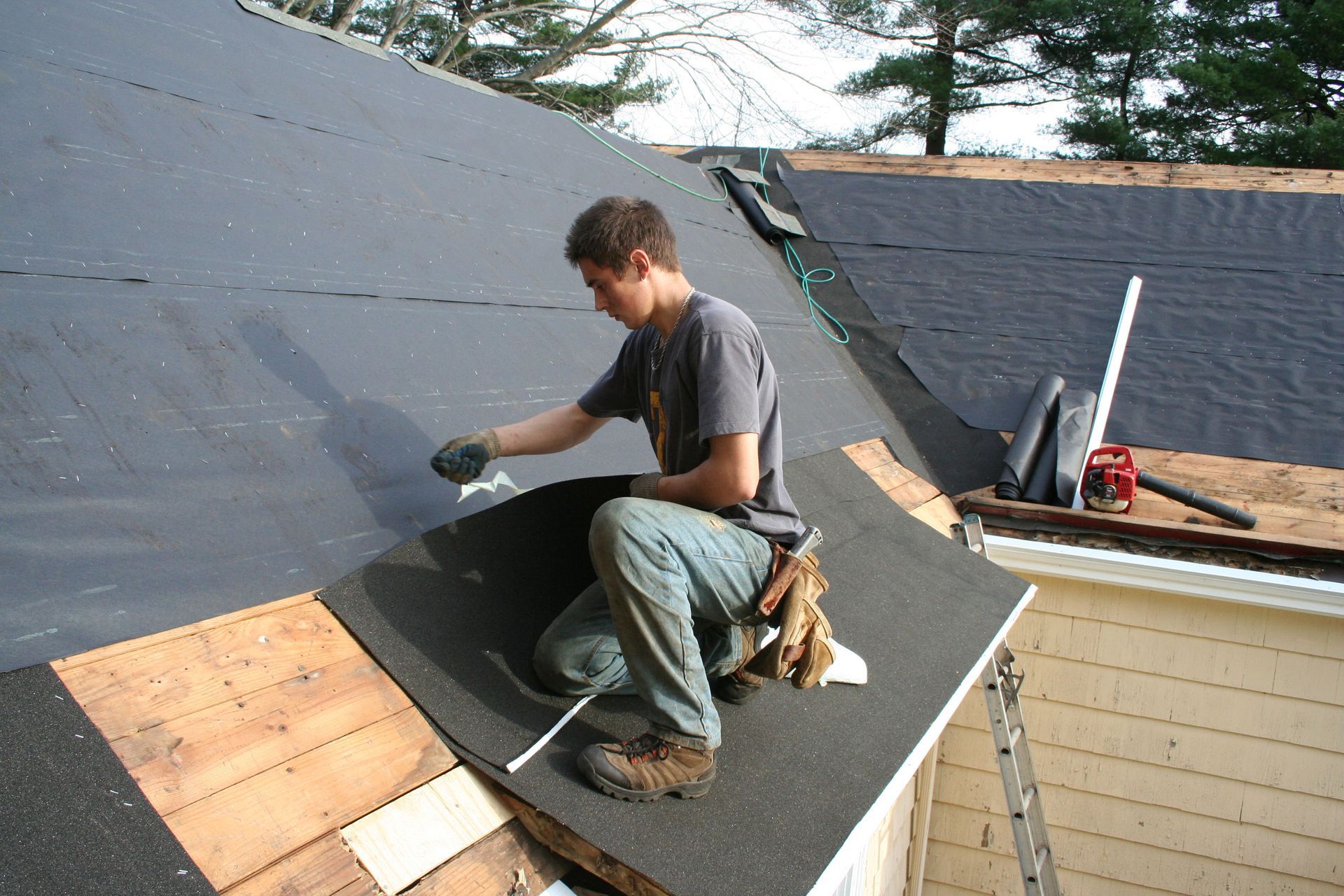
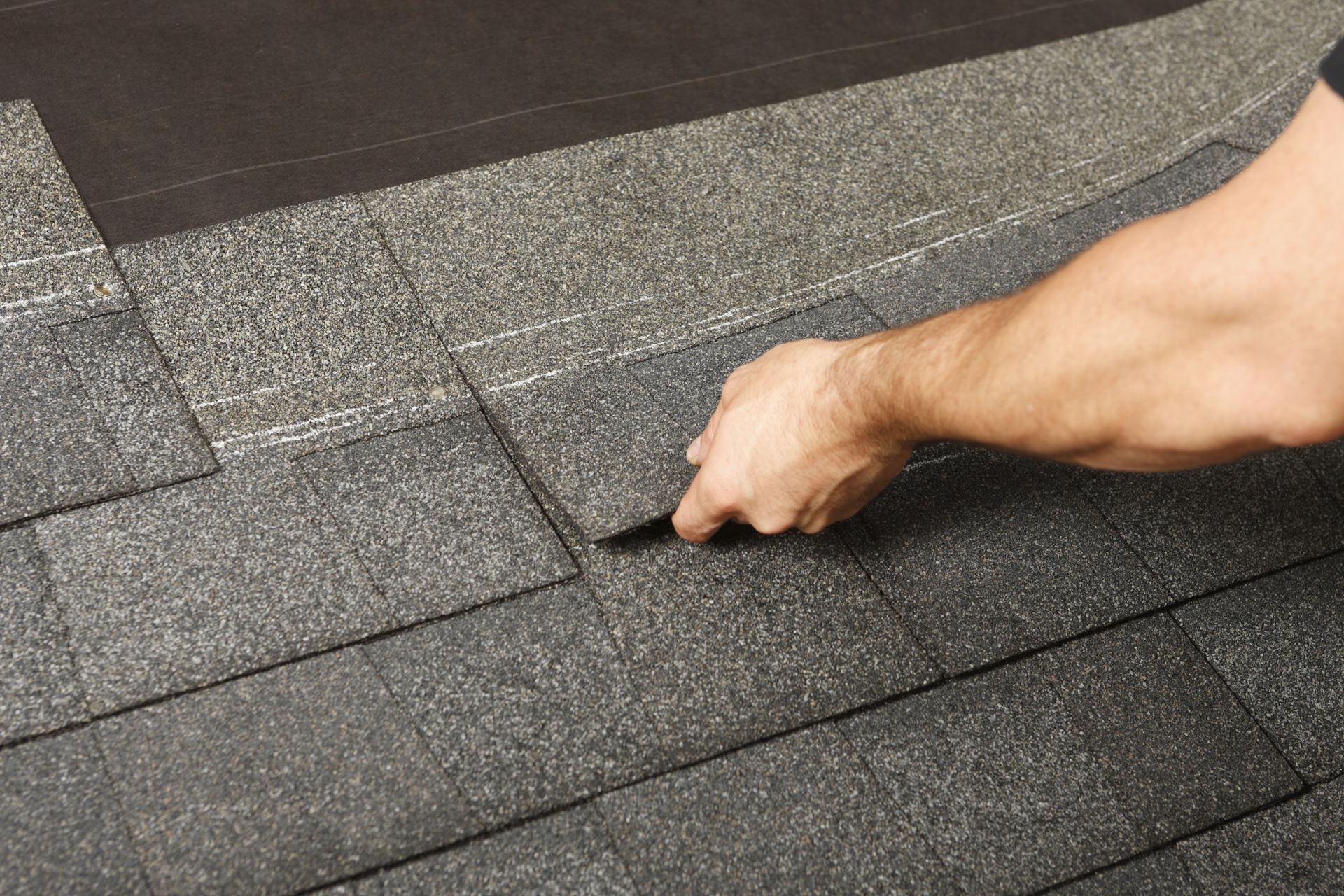
Given how many variables affect a roof's condition, professional inspections are essential for making sound decisions about roof replacements. A trained eye can identify early signs of deterioration—curling shingles, soft spots in the decking, deteriorating flashing—long before they become visible from the ground or result in interior leaks. Professionals also understand how regional weather patterns interact with specific roofing materials, allowing them to recommend solutions tailored to the demands of Southeast Virginia and Northeast North Carolina's climate.
Attempting to assess roof damage without professional expertise can lead to costly mistakes, whether that means missing early warning signs or replacing a roof unnecessarily. Experienced roofing contractors can distinguish between cosmetic wear and structural compromise, helping homeowners avoid both premature replacement costs and the risks of waiting too long. This is particularly important after major storms, when insurance claims and safety concerns make accurate assessment critical. Partnering with professionals ensures that decisions about roof replacements are based on a thorough understanding of the roof's actual condition, not guesswork.
Weather and age rarely act alone when it comes to roof deterioration—they work together, each amplifying the other's effects. A roof weakened by years of sun and humidity becomes far more vulnerable when a hurricane or severe storm rolls through, while a newly installed roof can often withstand the same event with minimal damage. For homeowners in Southeast Virginia and Northeast North Carolina, this combination of coastal weather exposure and material aging makes regular inspection and timely roof replacements a practical necessity rather than an optional expense. Understanding these underlying causes empowers homeowners to act before small problems become expensive emergencies, protecting both their homes and their investment for years to come.
If your roof has weathered one too many storms or is simply showing its age, don't wait for a leak to force your hand. At United Roofing Corporation, we specialize in helping homeowners throughout Southeast Virginia and Northeast North Carolina assess roof damage, plan ahead, and complete roof replacements with quality materials built for our region's climate. Contact us today to schedule a professional inspection and get a clear picture of your roof's condition.