May 5, 2026
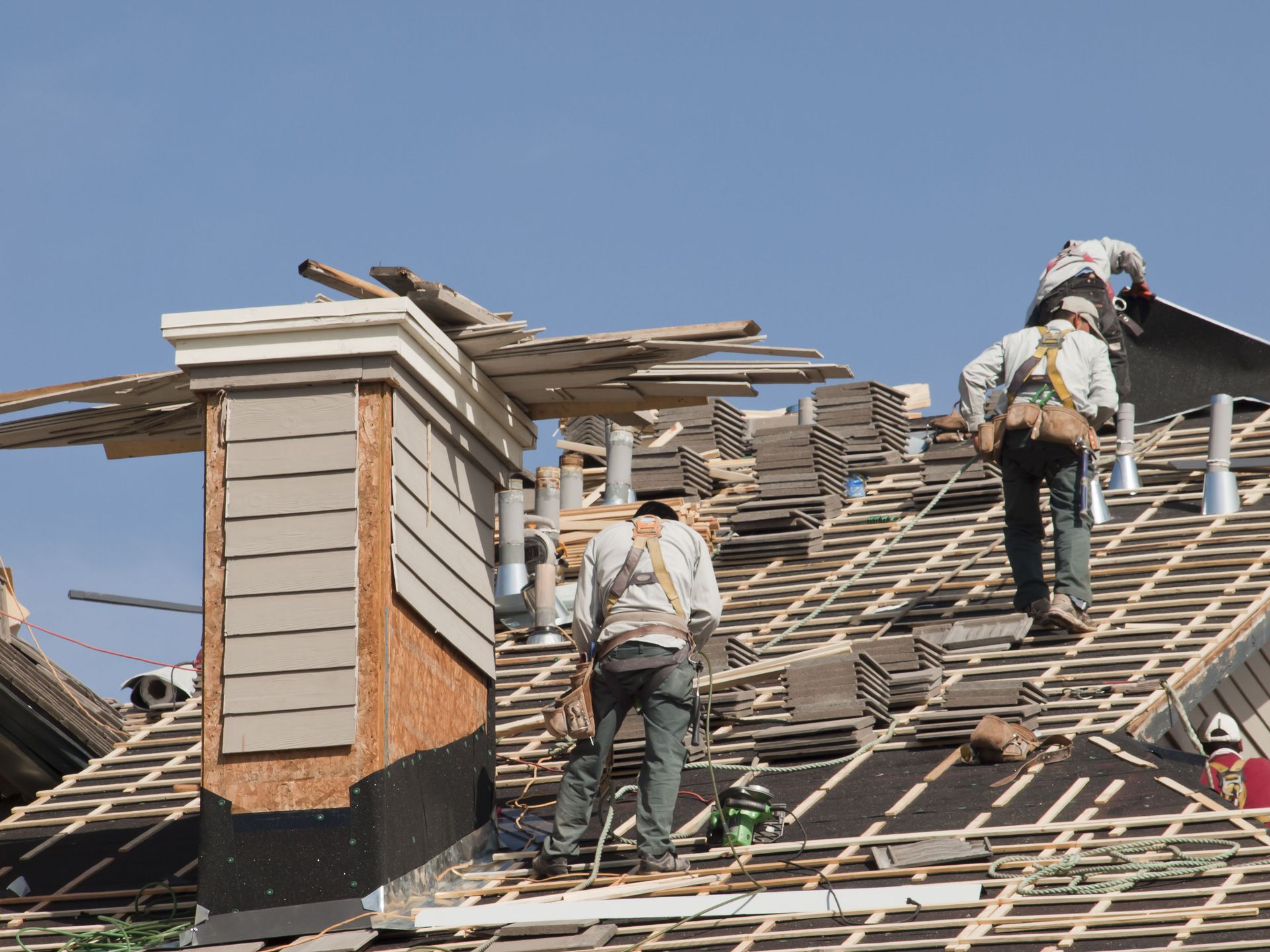
Roof issues rarely appear all at once. In many cases, damage builds gradually over time, hidden beneath surface materials or developing in areas that are not frequently observed. By the time the signs become obvious, the repair scope is often more extensive and costly than expected. Working with a qualified roofing contractor can help identify these concerns early, before they evolve into structural complications.
Many roofing systems fail not because of a single event, but due to a combination of small, overlooked conditions. Weather exposure, aging materials, and drainage issues can all contribute quietly. Understanding what to look for and when to involve a roofing contractor can make a significant difference in maintaining long-term roof performance and protecting the structure beneath it. In many cases, early intervention prevents secondary damage that spreads into ceilings, walls, and insulation layers.
Missed Early Warning Signs Developing on Roofs
Small changes in roof appearance are often the first indicators of deeper issues forming beneath the surface. Subtle discoloration, uneven surfaces, or minor lifting edges can go unnoticed from ground level. These signs may appear insignificant, but they often reflect underlying stress within the roofing system.
A roofing contractor typically evaluates these early indicators during routine assessments, helping determine whether they are cosmetic or structural in nature. Without that evaluation, minor issues can progress into widespread deterioration. Weather exposure, particularly in regions with heavy rainfall or high heat, accelerates this progression.
Over time, untreated surface changes can lead to water intrusion and compromised insulation layers. A roofing contractor may also identify patterns suggesting recurring stress points, which often point to ventilation or drainage imbalances. Addressing these early signals reduces the likelihood of more complex repairs later in the roof's lifespan. Even slight surface irregularities can signal that protective layers are beginning to break down.
Hidden Moisture Intrusion Spreading Through Structures
Moisture intrusion is one of the most common yet least visible roofing issues. It often begins in small areas where protective barriers have weakened, allowing water to slowly enter beneath shingles or flashing. Because the early stages are not easily detectable, damage can spread significantly before it becomes noticeable indoors.
A roofing contractor assesses moisture patterns using targeted inspection methods that identify trapped water or hidden decay within roofing layers. Once moisture becomes embedded, it can affect decking, insulation, and surrounding structural components. In some cases, moisture may travel laterally, making the original entry point difficult to locate.
Left unaddressed, moisture intrusion can also lead to mold development and long-term material degradation. This is why early evaluation from a roofing contractor is critical, even when exterior surfaces appear intact. The ability to detect subtle moisture movement often determines whether a roof requires simple repairs or more extensive intervention. Over time, moisture-related issues can also reduce overall energy efficiency within the structure.
Unnoticed Shingle Deterioration Accelerating Damage
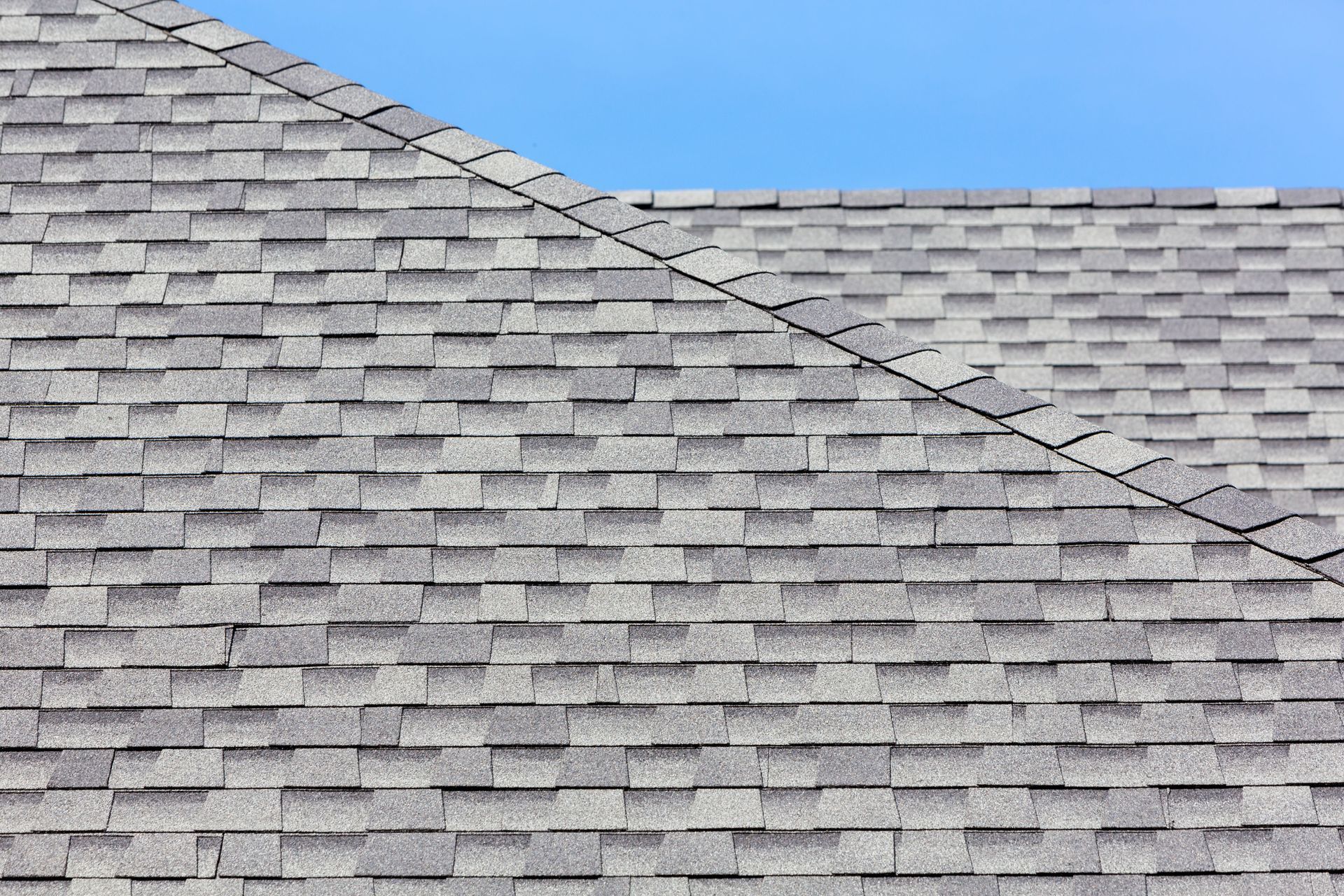
Shingles serve as the first protective barrier against environmental exposure, yet they gradually deteriorate due to sun, wind, and precipitation. This wear is often slow and uneven, making it difficult to identify without close inspection. According to Roofing Contractor, 75% of contractors work with asphalt shingles. This highlights how common shingle-based systems are in residential roofing and why understanding their aging process is important.
A roofing contractor evaluates shingle condition by looking for curling edges, surface granule loss, and inconsistent alignment patterns. These indicators suggest that protective capabilities are weakening, even if leaks have not yet formed. In many cases, granule loss also signals reduced UV protection, which accelerates further aging.
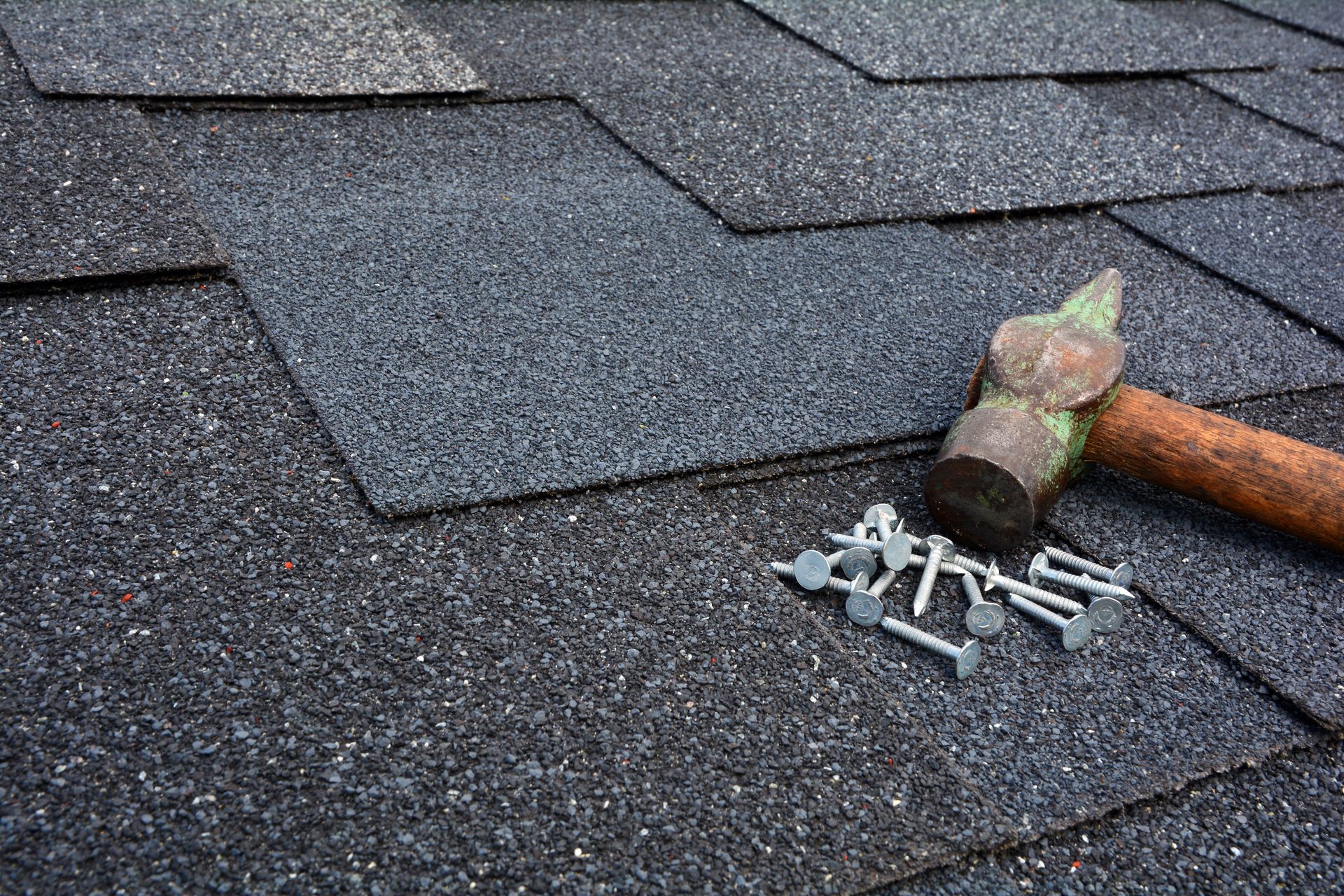
As deterioration progresses, water resistance decreases, increasing the likelihood of internal damage. A roofing contractor can determine whether repair or broader replacement considerations are appropriate based on the extent of surface wear and underlying exposure levels. Environmental conditions such as wind uplift and thermal cycling often speed up this process.
Overlooked Flashing Failures Leading to Leaks
Flashing is designed to seal vulnerable transition points where roofing materials meet walls, chimneys, or vents. However, these areas are also among the most frequently overlooked during routine observation. Even minor separation or corrosion in flashing materials can create direct pathways for water entry.
A roofing contractor examines flashing integrity closely, as failures in these areas often lead to hidden leaks that travel along structural pathways before becoming visible. This delayed visibility makes the issue more complex to diagnose without professional evaluation. Water may enter at a high point and only become noticeable far from the original breach.
Once flashing begins to fail, surrounding materials are often affected, including underlayment and nearby shingles. A roofing contractor may trace these leak paths to identify the original failure point, which is not always located where interior damage appears. Early detection of flashing issues helps prevent broader water-related deterioration. Even small gaps can expand over time due to temperature movement.
Ignored Gutter Blockages Impacting Roof Performance
Gutters play an essential role in directing water away from roofing systems, yet they are frequently overlooked until overflow or staining becomes visible. When blockages occur, water may back up along roof edges, increasing exposure to areas not designed for prolonged moisture contact.
A roofing contractor evaluates how drainage systems interact with the roof structure, identifying points where water flow may be restricted or misdirected. Even partial blockages can contribute to gradual edge deterioration and material weakening. Over time, this can also lead to wood rot along fascia boards.
In some cases, repeated blockages indicate slope or design inefficiencies that require adjustment. A roofing contractor may recommend system modifications when drainage patterns consistently fail during heavy rainfall. Maintaining consistent water movement away from the structure is essential for limiting long-term roof stress and preserving edge stability.
Undetected Ventilation Issues Shortening Roof Lifespan
Roof ventilation plays a critical role in regulating temperature and moisture levels within the roofing system. When ventilation is insufficient or obstructed, heat and humidity can build up beneath the roof surface, accelerating material aging.
A roofing contractor assesses airflow balance to determine whether ventilation is functioning properly. Poor airflow often contributes to premature shingle wear, insulation damage, and uneven temperature distribution across roof sections. It can also increase the likelihood of ice dam formation in colder conditions.
In some cases, ventilation issues may not produce immediate visible symptoms, making them difficult to identify without inspection. A roofing contractor can evaluate whether existing ventilation components are aligned with the roof's size and structure. Improving airflow conditions helps reduce thermal stress and supports longer material performance. Over time, balanced ventilation contributes to more stable indoor conditions as well.
Roof problems often develop gradually, making them difficult to identify without consistent evaluation. Small surface changes, moisture patterns, and drainage inefficiencies can all contribute to larger structural concerns when left unchecked. In many cases, early involvement of a roofing contractor is the most effective way to understand what is occurring beneath the surface and determine the appropriate response.
A structured inspection approach helps reveal issues that are not immediately visible, reducing the likelihood of extensive repairs later. Whether dealing with aging materials or subtle structural changes, timely assessment plays a key role in maintaining roof integrity over time. For property owners seeking dependable evaluations and clear direction, a qualified roofing contractor at United Roofing Corporation can help assess your roof condition and outline the next steps before minor issues become major disruptions.