February 19, 2026
Understanding the essentials of roof maintenance is crucial for new homeowners. A well-maintained roof not only prolongs its life but also supports safety and energy efficiency throughout the home. This guide explores key aspects to help you effectively manage and care for your roof, whether tasks are handled personally or with guidance from a local roofing contractor.
With the right maintenance practices and professional insight, homeowners can avoid costly repairs and unexpected disruptions. Roof maintenance is not only about fixing visible problems but also about preventing issues that develop over time. A proactive approach helps maximize the longevity of the roofing system and supports long-term home value.
For many new homeowners, roofing can feel unfamiliar compared to interior upkeep. Unlike visible systems inside the home, roofing issues often develop quietly and worsen without obvious warning signs. Establishing a basic understanding early helps homeowners feel more confident when making decisions and communicating with a local roofing contractor.
1. Understanding Roof Structure and Materials
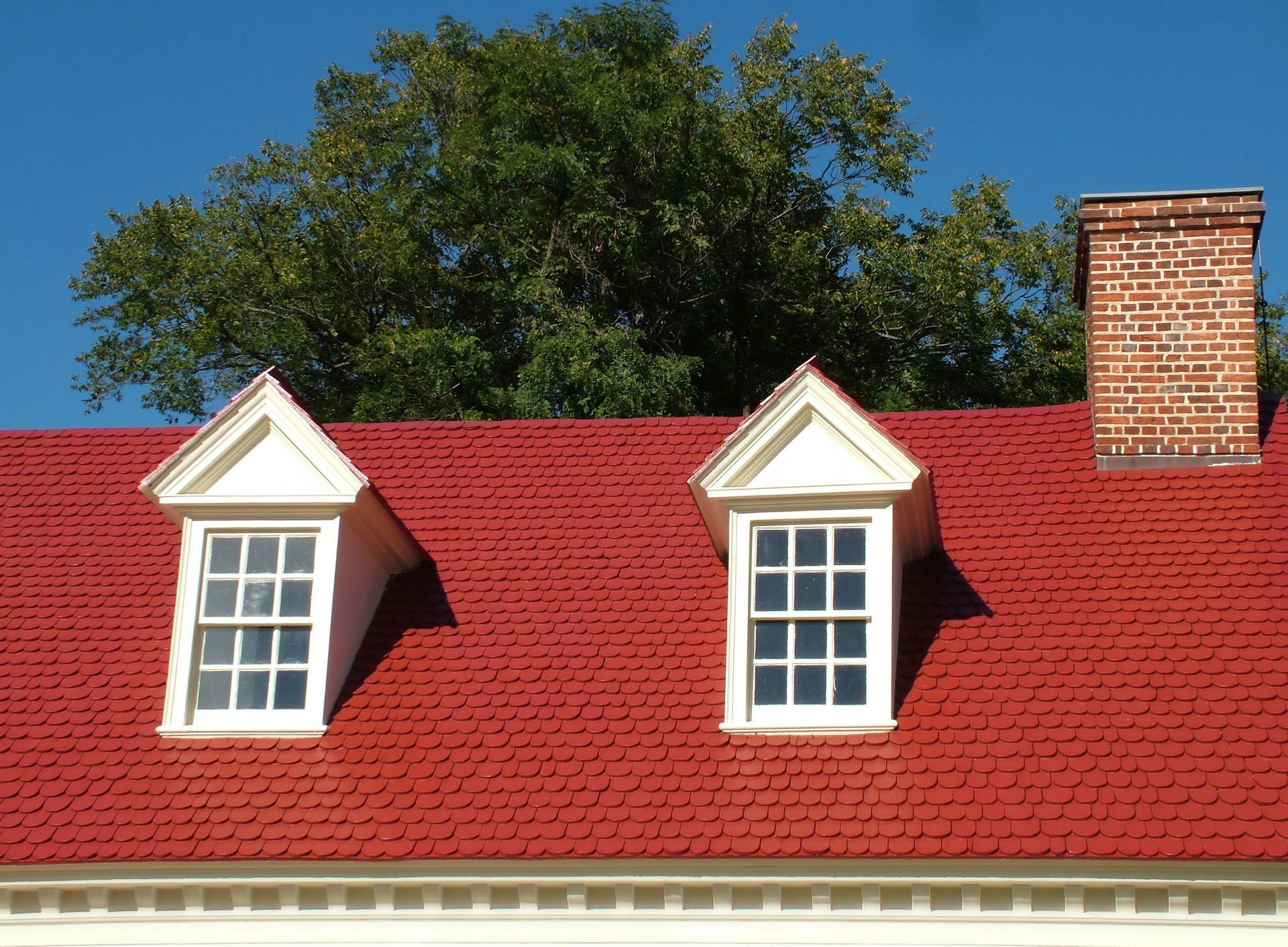
Choosing the right roofing material is fundamental to maintaining a durable and lasting roof. Common residential roofing materials include asphalt shingles, metal, slate, and tile, each with its distinct advantages. According to This Old House, residential asphalt shingles last an average of 15 to 30 years, making them a common choice for homeowners seeking durability and affordability.
Metal roofs, while more expensive, offer a much longer lifespan of up to 50 years and stronger resistance to extreme weather conditions. These materials often perform well in regions with temperature fluctuations and severe storms. A local roofing contractor can help homeowners evaluate which materials best match their home and long-term maintenance goals.
The roof structure consists of multiple elements that collectively contribute to its overall performance. The primary components include trusses, decking, underlayment, and the roofing material itself, each playing a vital role. Trusses form the foundational framework, while decking creates a stable surface for installation.
When selecting a roof, climate plays a significant role in long-term performance. Regions with heavy rainfall benefit from materials with strong water resistance, while warmer climates may favor reflective roofing options. Consulting a local roofing contractor allows homeowners to align material selection with climate conditions, roof pitch, and ventilation requirements.
2. Inspecting Your Roof
Regular roof inspections help identify issues before they escalate into costly repairs. Homeowners can begin with a visual inspection from the ground, checking for missing or damaged shingles using binoculars. Signs such as curling, cracking, or uneven surfaces may indicate underlying problems.
Many homeowners also schedule periodic inspections with a local roofing contractor for a more thorough evaluation. Professional inspections often uncover subtle issues that are not visible from the ground. These assessments help confirm whether maintenance or repairs are needed.
Common roofing issues include granule loss, visible wear, and compromised flashing. Granules often collect in gutters as shingles age, while flashing around chimneys and vents may loosen over time. A local roofing contractor can identify these warning signs before they develop into leaks.
Seasonal inspections help address weather-related wear throughout the year. Spring inspections focus on winter damage, summer checks target heat-related stress, and fall inspections prepare the roof for colder months. This routine supports consistent roof performance and longevity.
3. Routine Roof Maintenance Practices
Cleaning gutters and downspouts is a key aspect of roof maintenance. Clogged gutters prevent proper drainage, allowing water to pool and potentially damage roofing materials. Over time, this can lead to leaks and structural issues.
Many homeowners rely on a local roofing contractor to inspect gutters while assessing roof condition during routine service visits. These inspections help confirm that water flows away from the roof as intended. Consistent gutter maintenance supports overall roof health.
Removing debris and moss helps preserve both appearance and functionality. Organic buildup traps moisture and accelerates material breakdown, particularly on shaded roof sections. Regular removal reduces unnecessary wear on shingles.
Roof flashing must remain secure to prevent water intrusion. Flashing around chimneys, skylights, and vents can loosen or
corrode with age. Scheduling inspections with a local roofing contractor helps address flashing issues before leaks develop.
4. Repairing Common Roof Issues
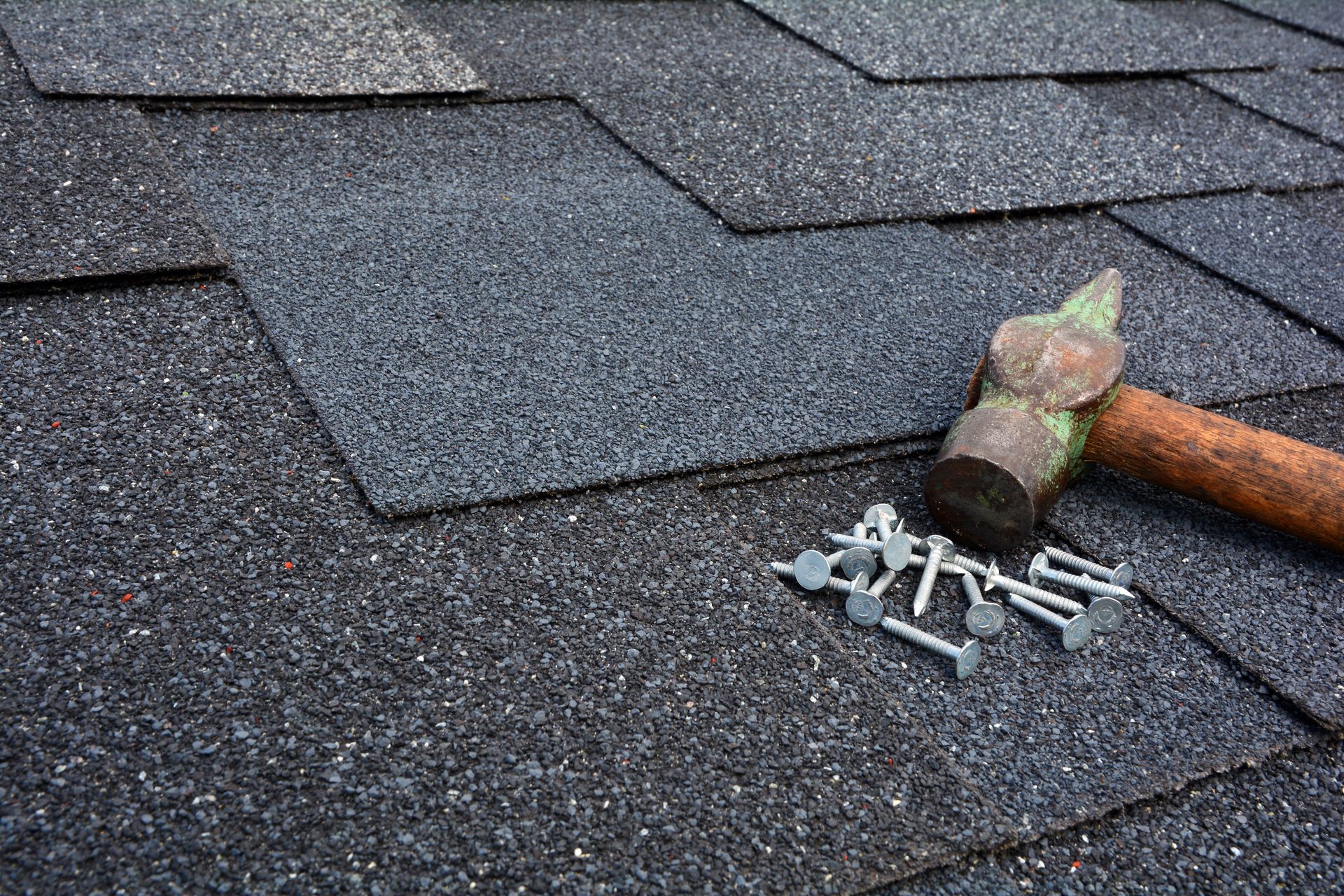
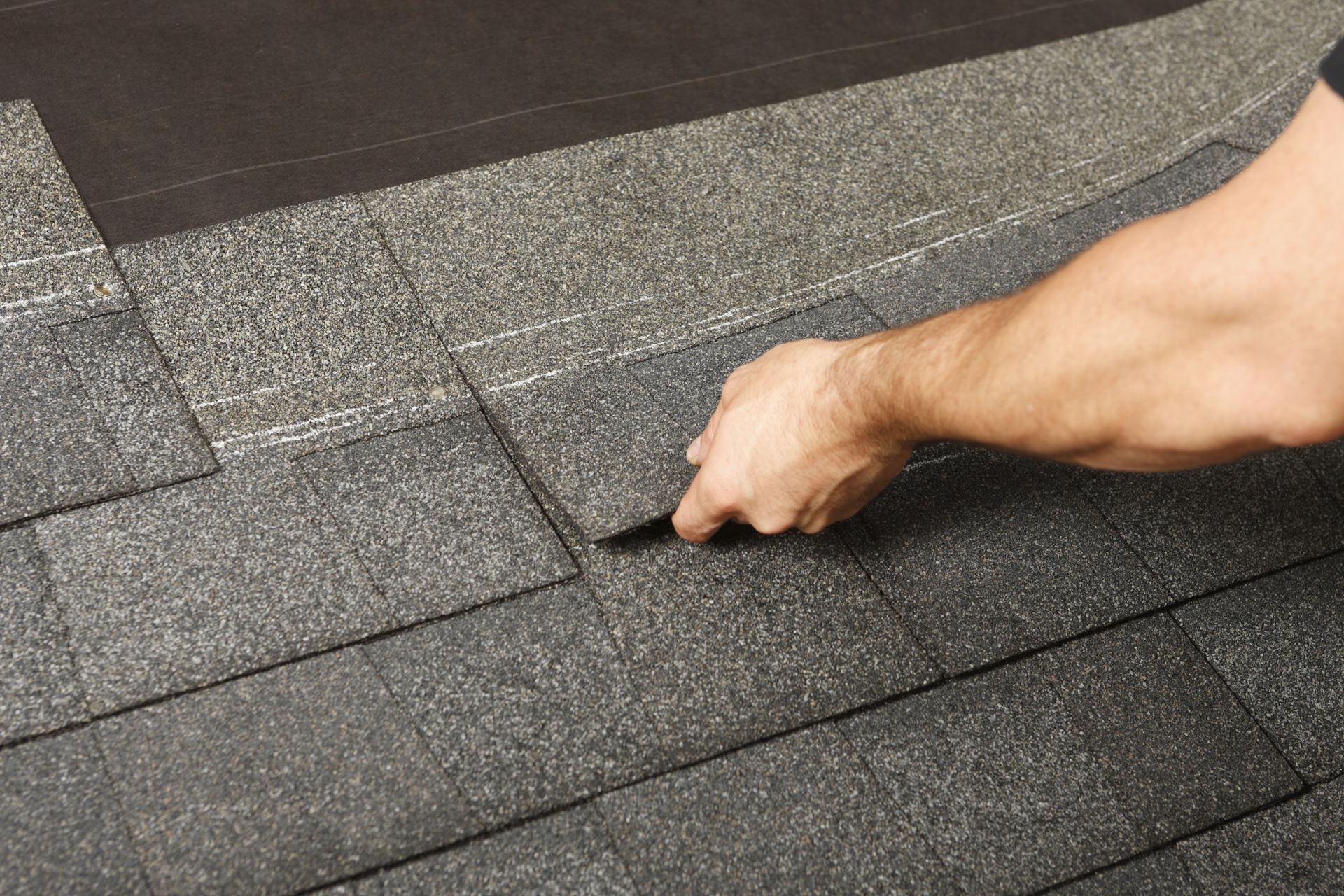
Shingle damage is one of the most frequent roofing concerns homeowners encounter. Missing or cracked shingles reduce the roof’s ability to repel moisture. Even minor shingle damage can allow water to penetrate the roofing system.
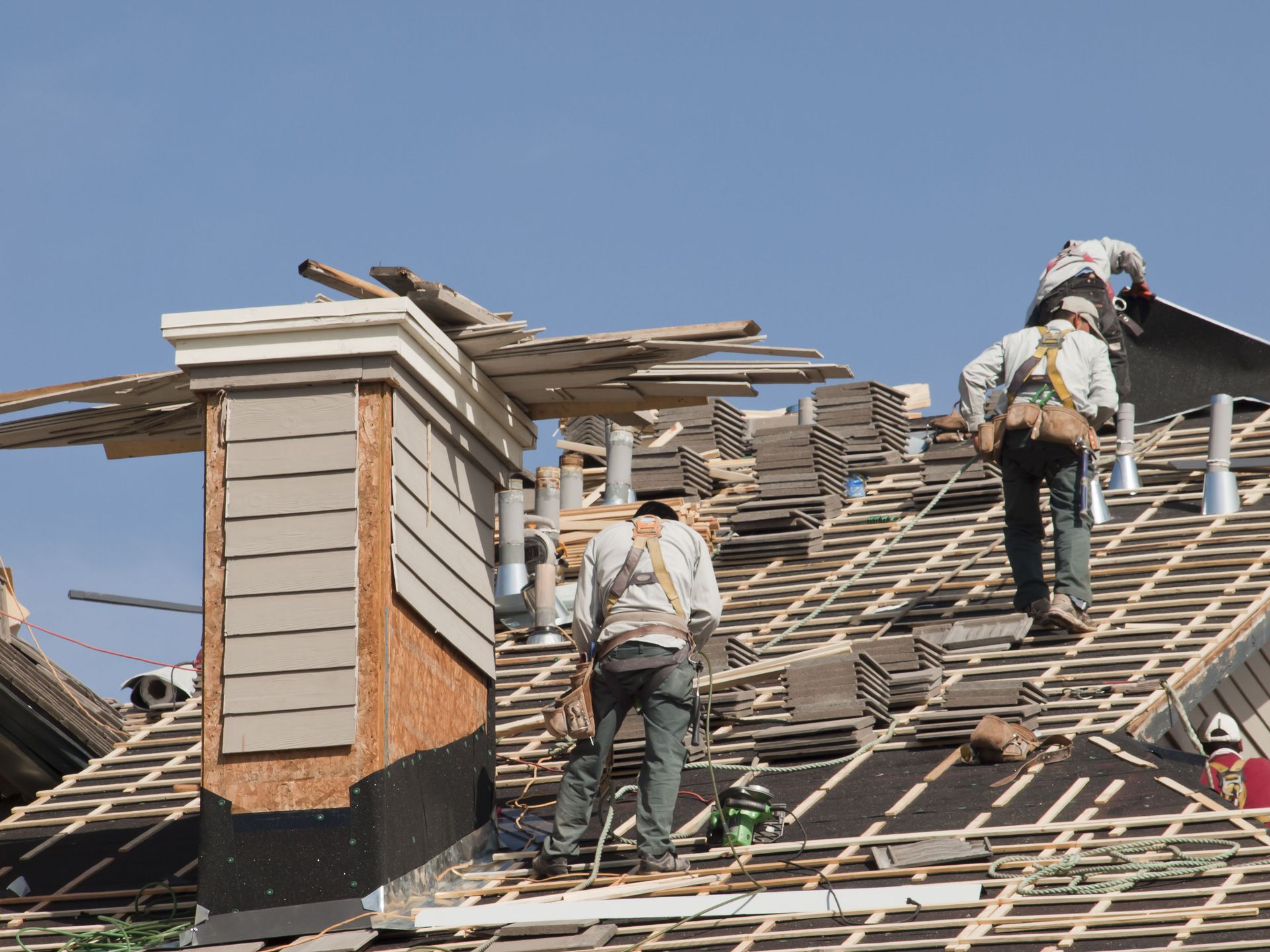
While small repairs may be manageable, widespread damage often requires evaluation by a local roofing contractor. Professionals can determine whether repairs or partial replacement are appropriate. This guidance helps prevent repeated issues.
Leaks should be addressed immediately to prevent interior damage. Even small leaks can lead to insulation problems, moisture buildup, and surface staining over time. Prompt repairs protect both the roof and interior spaces.
Flat roofs present unique maintenance challenges, including ponding water and surface cracking. Routine inspections and prompt patching help extend roof life. Homeowners with flat roofs often depend on a local roofing contractor for ongoing care.
5. Preventative Measures to Extend Roof Life
Roof coatings add a protective layer that helps shield roofing materials from UV exposure and moisture. These coatings also support temperature regulation by reducing heat absorption. Proper application can slow material deterioration.
A local roofing contractor can recommend coating options suited to specific roofing systems. Different materials respond differently to coatings, making professional guidance valuable. Proper selection supports consistent performance.
Energy-efficient roofing practices reduce utility costs while minimizing material stress. Reflective surfaces, proper insulation, and ventilation all contribute to temperature control. These improvements also reduce wear caused by thermal expansion.
Snow and ice removal planning is essential in colder regions. Heavy snow loads and ice dams can strain roofing structures and restrict drainage. Many homeowners coordinate winter maintenance through a local roofing contractor.
6. Planning for Long-Term Roof Care
Long-term roof care begins with understanding that maintenance is an ongoing responsibility rather than a one-time task. Roofs age gradually, and small changes often signal larger issues developing beneath the surface. Creating a long-term plan helps homeowners stay ahead of wear patterns and budget for future upkeep.
Establishing a maintenance schedule is an effective way to manage roof health over time. Annual inspections, seasonal checkups, and routine cleaning should all be part of this plan. Working with a local roofing contractor allows homeowners to receive consistent evaluations and recommendations based on the roof’s condition and age.
Planning ahead also helps homeowners prepare for eventual repairs or replacement. Knowing the expected lifespan of roofing materials makes it easier to anticipate major expenses before they become urgent. A long-term perspective supports better decision-making and reduces stress when issues arise.
Documentation plays an important role in long-term roof care. Keeping records of inspections, repairs, and material warranties provides useful reference points for future maintenance. These records also support clear communication with a local roofing contractor when evaluating next steps.
Maintaining a roof is an important responsibility for new homeowners. By understanding roof materials, conducting inspections, completing routine maintenance, addressing repairs promptly, and considering sustainable solutions, homeowners support long-term roof performance. Each step contributes to protecting the home and reducing future disruptions.
Guidance from a local roofing contractor further strengthens maintenance efforts by providing professional insight when challenges arise. Professional evaluations help homeowners make informed decisions without guesswork. This support adds clarity to long-term planning.
With informed care and proactive planning, homeowners can protect their investment and maintain a reliable roofing system for years to come. Consistent attention to roof health reduces unexpected issues. A well-maintained roof supports comfort, safety, and peace of mind. Contact United Roofing Corporation today to learn more.