May 28, 2026
When it comes to home maintenance, the roof often doesn't get the attention it deserves. What may seem like insignificant roof issues today can escalate into larger, costlier problems if left unchecked. This article explores common minor roof issues that homeowners should address promptly to avoid extensive damage. According to ThisOldHouse.com, over the past three years, nearly 31% of homeowners nationwide have pursued roof renovation, repair, or maintenance projects. With such a significant percentage of homeowners actively engaging in roof maintenance, it's crucial to understand what issues can arise and the importance of addressing them early.
1. Minor Cracks and Holes
Minor cracks and holes in the roof can often originate from several sources, including weather-induced wear and tear, the natural aging process of roofing materials, or impact damage from debris. These small breaches may appear harmless at first but can compromise your roof's integrity if ignored. In harsh weather conditions, these tiny openings can widen, allowing more water to seep into the roofing structure. Over time, water infiltration can degrade the materials beneath the roof surface, leading to more serious structural issues. The best approach is to conduct regular inspections and address these cracks before they become larger problems.
Water leakage is a significant risk associated with minor cracks and holes. Once water begins to penetrate the roof, it can damage insulation, affecting your home's energy efficiency. Damaged insulation can lead to higher energy bills as your heating and cooling systems have to work harder to maintain a comfortable indoor temperature. Additionally, moisture that accumulates within the roof structure can promote mold and mildew growth, posing health risks to inhabitants. By sealing any minor breaches promptly, homeowners can protect both their roof and their indoor environment.
The progression of minor cracks and holes into structural damage is a key concern. If left unaddressed, these small issues can evolve into major structural problems, compromising the safety and stability of the entire roof. The weight distribution and load-bearing capacity of the roof can be affected, making it susceptible to caving under pressure, especially during heavy snow or storm conditions. Preventive measures such as roof coating applications and reinforcement can significantly mitigate these risks. Early intervention is paramount in preserving the roof's structural integrity and ensuring its longevity.
2. Clogged Gutters
Gutters are an essential component of the roofing system, designed to channel rainwater away from the roof and its underlying structures. However, they are prone to clogs from leaves, twigs, and other debris, particularly after storms or during the fall season. Clogged gutters can lead to water overflow, which may back up and seep into the eaves and roof space. This not only risks rotting the fascia and soffits but can also permeate the roof deck and cause significant water damage. Routine cleaning and the installation of gutter guards can help prevent clogs and ensure the efficient operation of your gutter system.
When gutters overflow, the excess water can cascade down the sides of your home, leading to a host of problems. Water pooling at the base of your home can seep into the foundation, causing cracks and potentially undermining the structural stability of your property. Additionally, moisture that extends to the roof edges can accelerate the decay of fascia boards and soffits, affecting the roof's appearance and functionality. Maintaining free-flowing gutters is crucial to protect both the roof and the home's foundation. Homeowners should regularly inspect and clear gutters to prevent these adverse outcomes.
One of the often-overlooked effects of clogged gutters is the potential impact on the roof's lifespan. Consistent water overflow and retention can accelerate the wear and aging of roofing materials. Prolonged exposure to moisture can lead to shingle damage and deterioration, hastening the need for roof replacement. By committing to preventive measures and regular maintenance of the gutters, homeowners can not only protect their roof but also extend its service life. Regular monitoring and timely intervention can safeguard the overall health and durability of the roof system.
3. Missing or Damaged Shingles
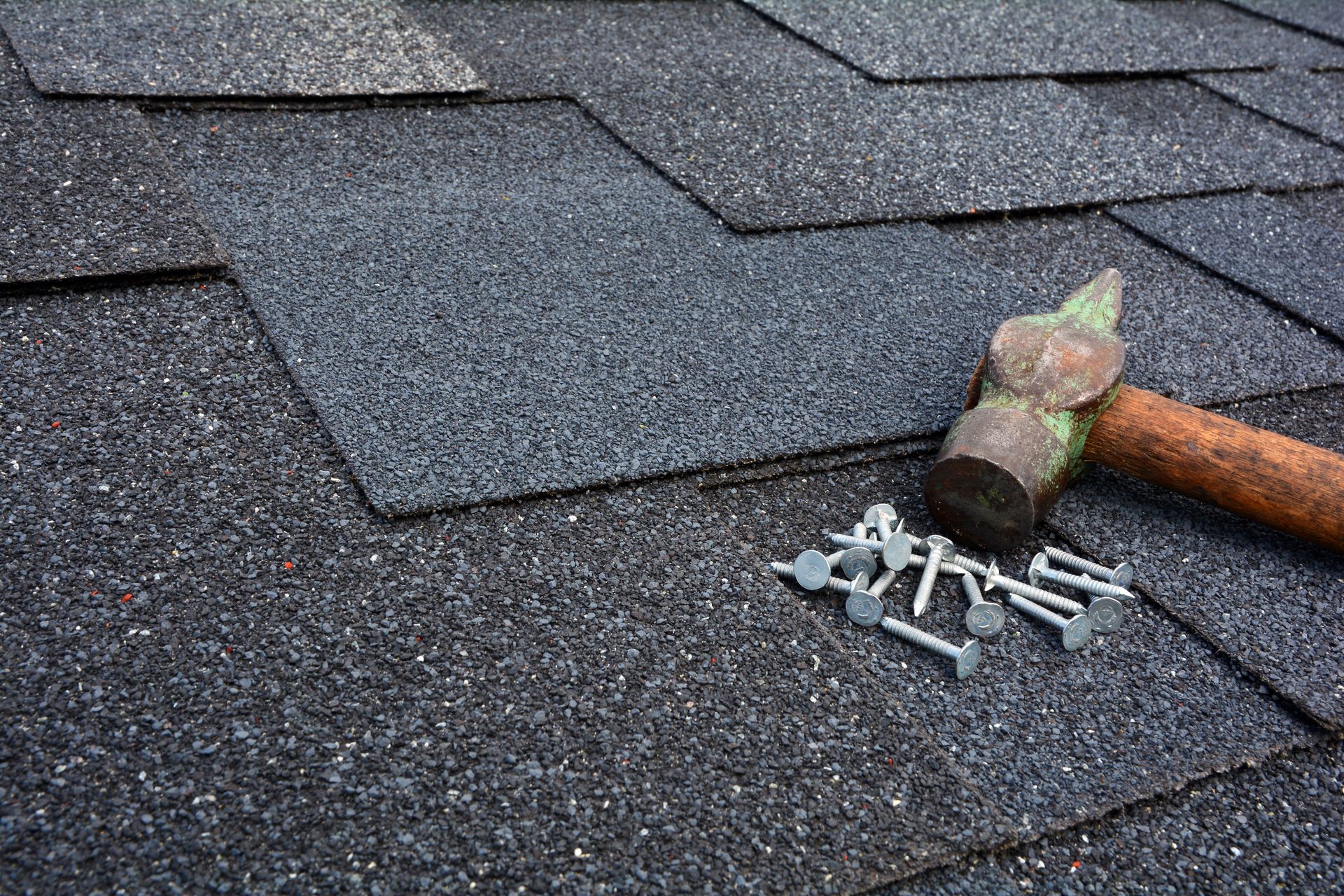
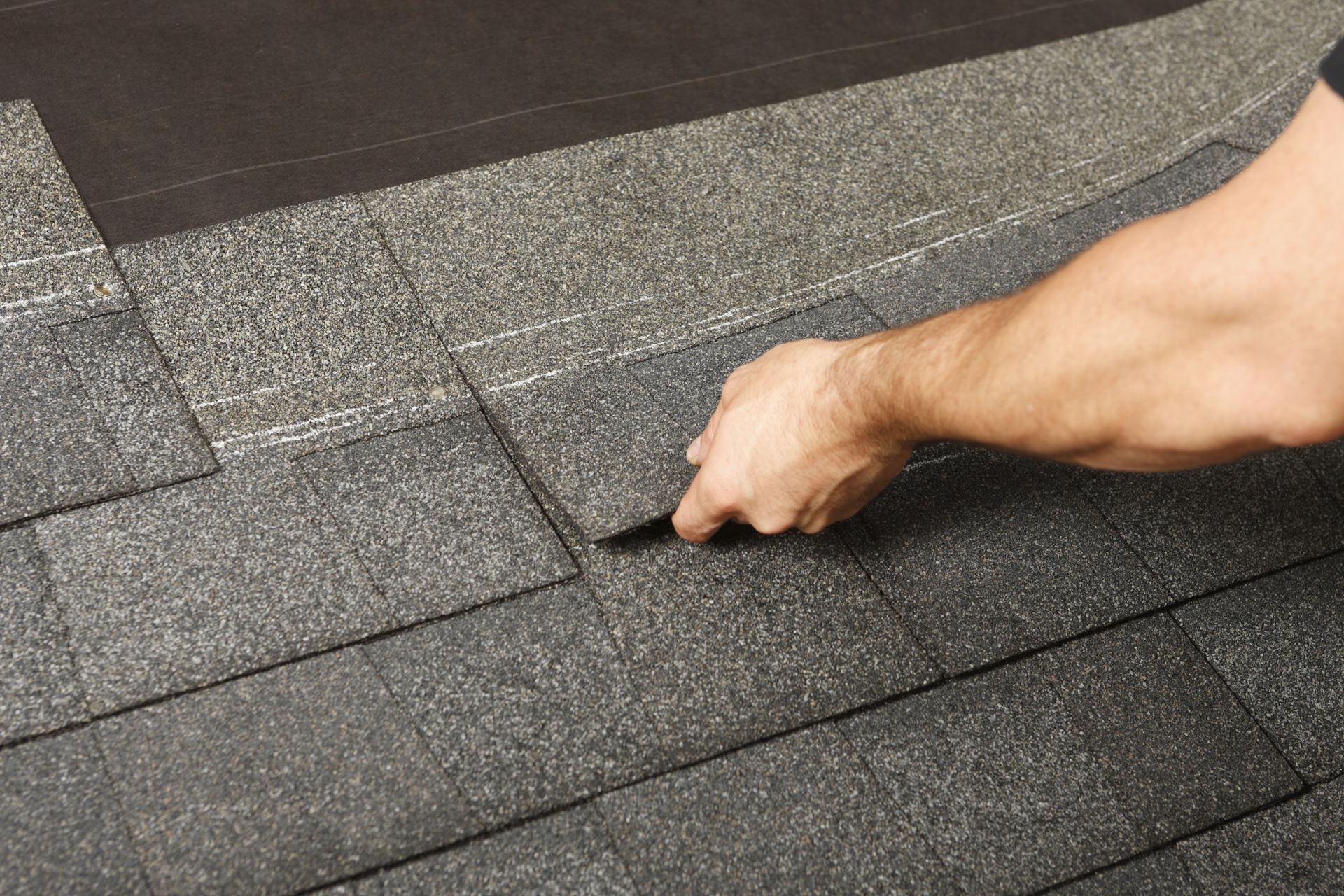
Shingles are the visible exterior layer of the roof, providing the first line of defense against weather elements. They can become damaged or go missing due to high winds, falling debris, or simply wear over time. Identifying shingle damage requires a keen eye, often detectable by visual cues such as discoloration, curling, or evident gaps. Regular roof inspections, particularly after storms or heavy wind events, are essential to spot and address these issues early. Actively replacing or repairing damaged shingles can prevent more severe underlying problems from developing.
Missing or damaged shingles can expose the underlying layers of the roof to weather elements, increasing the potential for leaks and structural damage. Once the protective barrier is compromised, water can seep into the lower layers, leading to rot, mold growth, and weakened roof decking. Over time, this intrusion can necessitate more extensive repairs, such as replacing substantial portions of the roof structure. Prompt action to replace or repair damaged shingles is crucial to maintaining the roof's integrity. Simple repairs today can prevent significant expenses and challenges in the future.
The condition of your shingles also plays a crucial role in your home's energy efficiency. Damaged or missing shingles can create opportunities for air leakage, disrupting the indoor climate's consistency. This can lead to increased heating and cooling demands, reflected in higher energy bills. Maintaining an intact shingle layer ensures that your home remains energy efficient, providing both comfort and cost savings. Addressing shingle issues as they arise supports the overall efficiency of the home's climate systems.
4. Poor Roof Ventilation
Effective roof ventilation is vital for maintaining a healthy roof and preventing long-term structural issues. Ventilation helps regulate temperature and moisture levels, ensuring the roof does not become overheated or damp. Without adequate ventilation, heat and moisture can accumulate, leading to the degradation of roofing materials and the formation of ice dams in colder climates. This creates an environment that promotes rot, mold, and a myriad of other problems. Understanding ventilation needs and implementing solutions is critical for preserving roof health and prolonging its lifecycle.
Common signs of roof ventilation problems include excessive heat in the attic, a spike in cooling costs, or ice dam formation during winter. These indicators suggest that airflow is insufficient, creating an undesirable microclimate within your attic space. Poor ventilation often stems from blocked vents, improperly installed roof components, or older systems that no longer meet current requirements. Identifying these signs early allows for timely intervention, which can help avoid more significant issues down the line. An inspection and possible optimization of the roof's ventilation system can resolve these problems effectively.
Poor ventilation impacts roof materials by accelerating deterioration. For instance, constant exposure to heat can cause shingles to become brittle and warped, reducing their lifespan. Additionally, excess moisture can affect the structural integrity of wooden components, leading to rot and eventual failure. Regular assessments of ventilation efficiency, alongside routine maintenance, can safeguard against these material impacts. Investing in improving your roof's ventilation can enhance its durability and performance significantly.
By understanding and addressing small roof issues early, homeowners can prevent expensive repairs and ensure the longevity of their roofs. While these minor problems may not seem urgent initially, proactive maintenance and timely intervention can save significant time and resources in the long run. Vigilance and regular assessments can keep your roof strong and secure, safeguarding your home investment for years to come. As the prevalence of homeowners seeking roof maintenance increases, awareness of these common issues is more critical than ever. Prioritizing roof health not only protects the physical structure of homes but also enhances energy efficiency, comfort, and long-term value. Be sure to reach out to United Roofing Corporation to learn more about our professional local roof repair!