June 29, 2026
A roof plays a central role in protecting a home, supporting energy efficiency, and maintaining long-term structural stability. It acts as a primary barrier against rain, wind, heat, and seasonal weather changes while also contributing to insulation performance and indoor comfort. Over time, exposure to the elements naturally causes wear, making maintenance and timely repairs essential for preserving overall home value. When issues arise or replacement becomes necessary, many property owners weigh DIY work against hiring professional support. While DIY may appear cost-effective on the surface, roofing requires precision, safety awareness, and proper material handling to avoid structural problems and long-term damage. A professional roofing contractor provides the expertise needed to ensure the system is installed or repaired correctly and performs reliably over time, reducing the likelihood of recurring issues. Choosing a roofing contractor helps minimize risks that can affect both safety and long-term durability.
Choosing professional support also reduces costly errors that can lead to leaks, insulation problems, mold growth, structural deterioration, or premature roof failure. Trained specialists are able to identify hidden issues that are not always visible during a basic inspection, such as underlayment damage, ventilation inefficiencies, or weak structural points. Addressing these concerns early helps prevent small issues from developing into expensive repairs. This improves efficiency, strengthens overall roof performance, and supports better long-term protection for the entire home. In addition, professional installation practices ensure materials are used correctly, which directly impacts how well the roof performs under different weather conditions. The decision often comes down to balancing short-term savings with long-term reliability when hiring professional roofing services, especially when considering lifecycle costs and long-term maintenance needs.
Assessing Expertise and Experience
A major advantage of working with a roofing contractor is the depth of hands-on experience brought to each project. Many professionals have years of fieldwork that allow them to quickly identify structural concerns that are not visible during basic inspections. This experience improves decision-making during repairs and replacements, helping ensure the job is completed correctly the first time. A roofing contractor also understands how different roofing systems respond to weather, aging, and installation techniques.
Training is another key factor that distinguishes professional work from general labor approaches. Industry standards, building codes, and inspection requirements are well understood and consistently applied. This reduces compliance risks and prevents errors that could shorten roof lifespan or create structural issues. Over time, this level of expertise leads to more reliable results and fewer unexpected problems for property owners.
Selecting Materials and Managing Quality Sourcing
Material selection is one of the most important factors influencing roof performance. A roofing contractor evaluates options based on climate conditions, structural needs, and budget considerations. Rather than focusing only on upfront cost, long-term durability and maintenance requirements are prioritized. This approach ensures the selected materials deliver better long-term value and fewer replacement cycles.
According to findings from This Old House, residential asphalt shingles generally last between 15 and 30 years depending on installation quality and maintenance practices. This highlights how material choice and workmanship directly impact roof longevity. A roofing contractor uses this type of information to guide better material decisions and ensure compatibility with environmental conditions. Supplier relationships may also provide access to higher-grade materials at more competitive pricing, improving overall project efficiency.
Prioritizing Safety and Reducing On-Site Risks
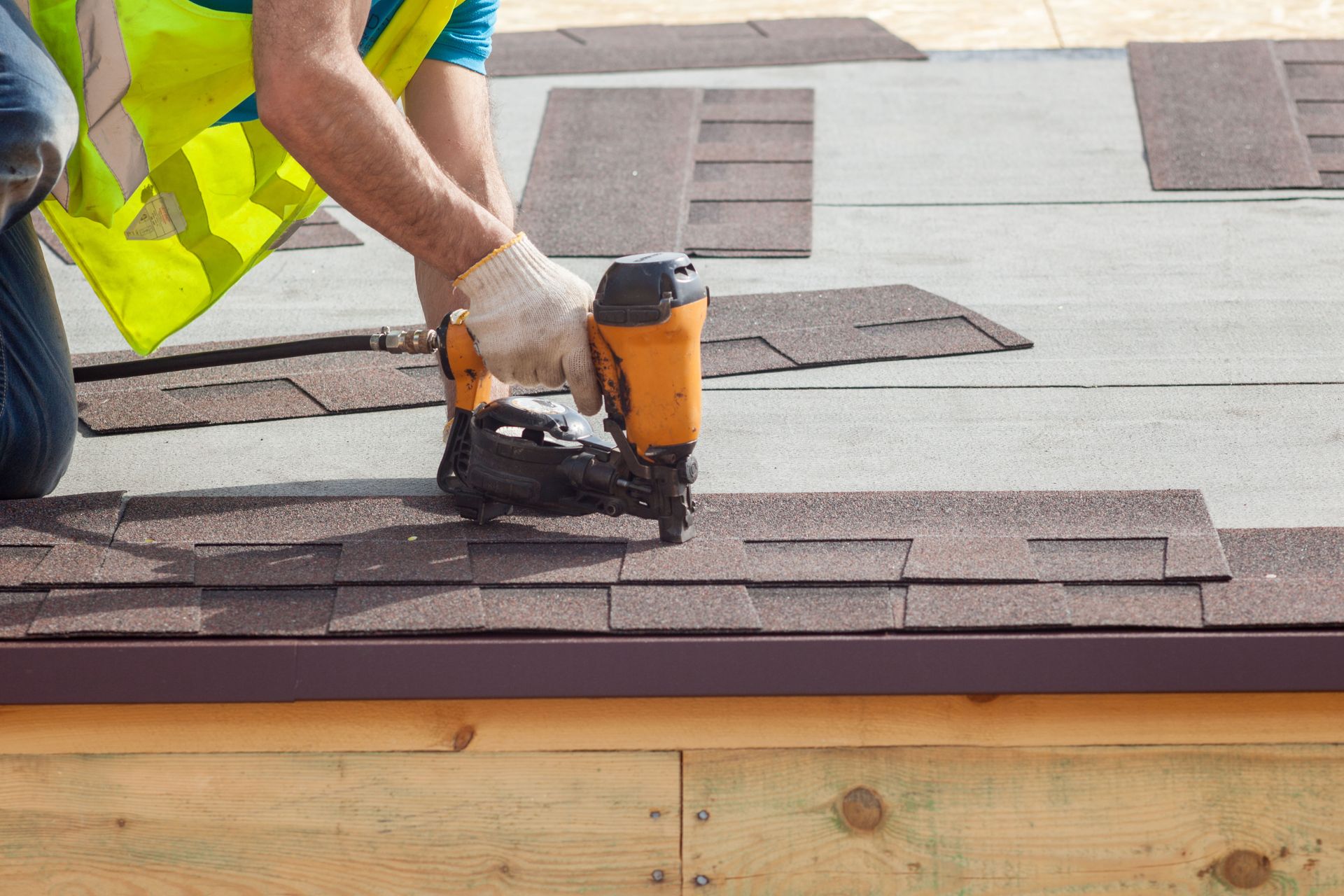
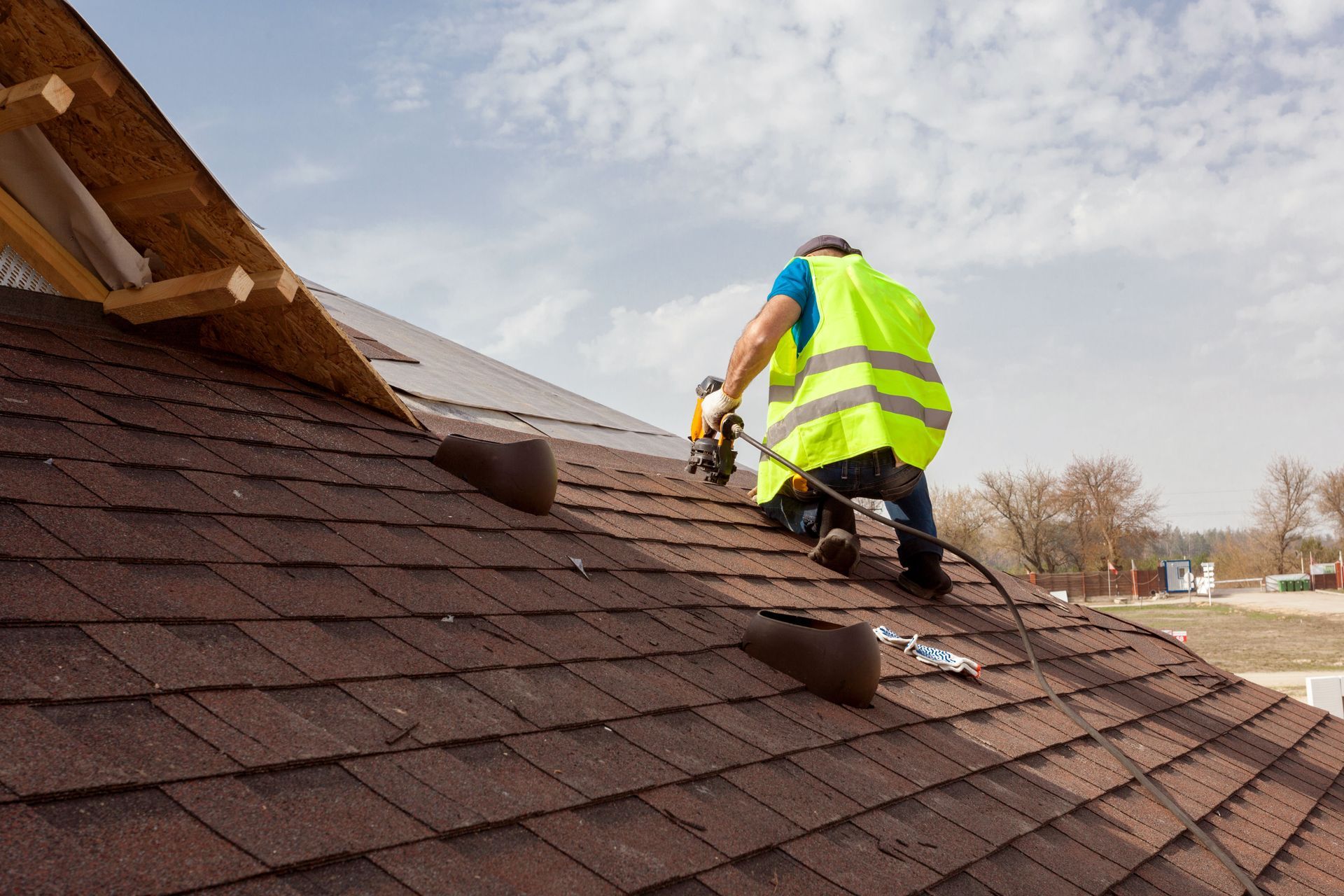
Safety is one of the strongest reasons to rely on professional roofing services. Roofing work involves height exposure, unstable surfaces, and changing weather conditions that require proper equipment and training. A roofing contractor follows established safety procedures, including harness systems, protective gear, and controlled worksite practices. These measures significantly reduce the risk of injury during installation or repair.
Hazard identification is also a critical part of the process. Structural weaknesses, weather risks, and unstable sections are assessed before work begins. This proactive approach helps prevent accidents and ensures smoother project execution. Insurance coverage adds further protection, reducing liability for homeowners and increasing overall project security.
Improving Cost Efficiency and Avoiding DIY Errors
Hiring professional support can reduce long-term expenses even if initial costs are higher. DIY roofing mistakes often lead to water damage, insulation issues, or premature material failure. Proper planning and installation techniques help prevent these problems and reduce the need for repeat repairs. A roofing contractor focuses on doing the job correctly the first time to avoid unnecessary costs later.
Material efficiency also plays a role in cost savings. Accurate measurements and structured planning reduce waste and prevent over-ordering supplies. This level of precision ensures resources are used effectively throughout the project. Over time, this approach leads to better financial outcomes and fewer unexpected repair expenses.
Delivering Comprehensive Roofing Services
Professional roofing support extends beyond installation and repair. Services often include inspections, maintenance programs, leak detection, and structural evaluations. These services help identify small issues early before they develop into major problems. Preventative care plays a key role in extending overall roof performance.
Repair and replacement work is also handled in a structured and efficient way. From removal to final installation, each step follows a consistent process designed to minimize disruption. This ensures better quality control and improved long-term durability. A complete service approach also helps maintain both function and appearance over time.
Understanding Warranties and Insurance Coverage
Warranty protection can be complex, especially when multiple materials and workmanship guarantees are involved. Professional guidance helps clarify what is covered and how to maintain eligibility for claims. This ensures homeowners fully understand their protection and avoid issues that could void coverage.
Insurance coverage is another important benefit during roofing projects. Liability protection helps safeguard homeowners from unexpected incidents on-site. This reduces financial exposure while ensuring accountability throughout the project. Clear warranty and insurance management adds long-term confidence in the investment.
Extending Roof Lifespan
Proper maintenance and installation practices directly influence how long a roof lasts. Regular inspections and timely repairs help prevent early deterioration and extend overall performance. This proactive approach ensures the system continues to function effectively under changing weather conditions.
Energy efficiency is also improved through proper ventilation and insulation practices. This helps regulate indoor temperatures and reduces strain on heating and cooling systems. Over time, these improvements enhance comfort, reduce energy costs, and support higher property value. A well-maintained roofing system ultimately contributes to long-term home stability.
Working with professional roofing support delivers clear advantages in safety, efficiency, material selection, and long-term performance. From the initial inspection and planning phase through installation and final cleanup, each stage of the project benefits from structured processes and technical expertise that reduce errors and improve consistency. Proper assessment of existing roof conditions helps identify hidden issues before any work begins, ensuring they are addressed early rather than becoming costly problems later. With a clear plan in place, timelines are more predictable, material usage is more efficient, and the overall execution remains organized and controlled.
Each phase of the project is handled with precision, which directly improves both quality and safety on-site. Proper installation techniques and attention to detail help prevent common issues such as leaks, ventilation problems, and premature material wear. This level of accuracy also ensures the roofing system performs effectively under different weather conditions, reducing the likelihood of future repairs. As a result, homeowners benefit from improved durability, fewer maintenance concerns, and a more reliable roofing structure over time.
Over the long term, this approach supports better energy efficiency, stronger protection against environmental exposure, and increased property value. Choosing professional roofing services is a practical decision for protecting both the home and the investment, especially when considering long-term performance and maintenance costs. Consistent workmanship and proper material application help ensure lasting results that reduce risk and improve overall home stability. For reliable service and lasting results, contact United Roofing Corporation.